










Hot flushes affect up to 85% of menopausal women and may persist for an average of 7 to 10 years. While declining oestrogen plays a central role, effective management combines lifestyle strategies with medical treatments tailored to your individual needs.
If you have ever felt a sudden wave of heat sweep through your body, leaving you flushed and reaching for a fan, you are not alone. Hot flushes are the hallmark symptom of menopause, affecting approximately 80% of women during this transition [1]. These episodes can be brief inconveniences or disruptive events that affect your sleep, work, and quality of life. Understanding what causes hot flushes and knowing your management options can help you feel more in control during your menopause journey.
This guide explores the science behind hot flushes, how long they typically last, and evidence-based strategies for managing them. Whether you are just beginning to experience symptoms or have been dealing with them for years, you will find practical information to support your wellbeing.
What Are Hot Flushes?
Hot flushes are sudden sensations of intense heat, typically affecting the face, neck, and chest. They often come with visible flushing, sweating, and sometimes heart palpitations or feelings of anxiety [1]. Each episode usually lasts between one and five minutes, though some women experience shorter or longer episodes.
When hot flushes occur at night, they are commonly called night sweats. These nocturnal episodes can significantly disrupt sleep, leading to daytime fatigue and reduced concentration. For many women, the unpredictability of hot flushes can be just as challenging as the symptoms themselves.
The Physiology Behind Hot Flushes
Research has revealed that hot flushes result from changes in the brain's temperature regulation centre, the hypothalamus. During menopause, declining oestrogen levels affect a group of neurons called KNDy neurons, which release neurokinin B (NKB). This triggers the hypothalamus to narrow your thermoneutral zone, making even small temperature changes feel extreme and prompting your body to initiate cooling responses like flushing and sweating [2].
This understanding has led to the development of new treatments targeting the NKB pathway, offering hope for women who cannot or prefer not to use hormone therapy.
How Long Do Hot Flushes Last?
One of the most common questions women ask is how long they will need to endure hot flushes. Research from the Penn Ovarian Aging Study found that the median duration of moderate to severe hot flushes is 10.2 years [3]. This finding significantly exceeds earlier assumptions that symptoms would resolve within a few years of menopause.
Duration Varies by Timing of Onset
When hot flushes begin can predict how long they will last:
- Early onset (before or during early menopause transition): More than 11 years
- Mid-transition onset: Approximately 7 years
- Late onset (late transition or postmenopause): Around 4 years
Approximately 25% of women continue to experience hot flushes five years after menopause, and about one-third still have symptoms at the 10-year mark [1]. Understanding this timeline helps set realistic expectations and informs treatment decisions.
Who Experiences Hot Flushes?
While hot flushes are nearly universal among menopausal women, some factors increase their frequency and severity:
- Body composition: Higher abdominal fat is associated with more frequent hot flushes
- Smoking: Both current and past smoking increases risk
- Surgical menopause: Women who undergo ovary removal often experience more severe symptoms
- Ethnicity: Research suggests African American and Hispanic women may experience hot flushes for longer periods
Understanding your risk factors can help you and your healthcare provider develop a personalised management approach.
Lifestyle Strategies for Managing Hot Flushes
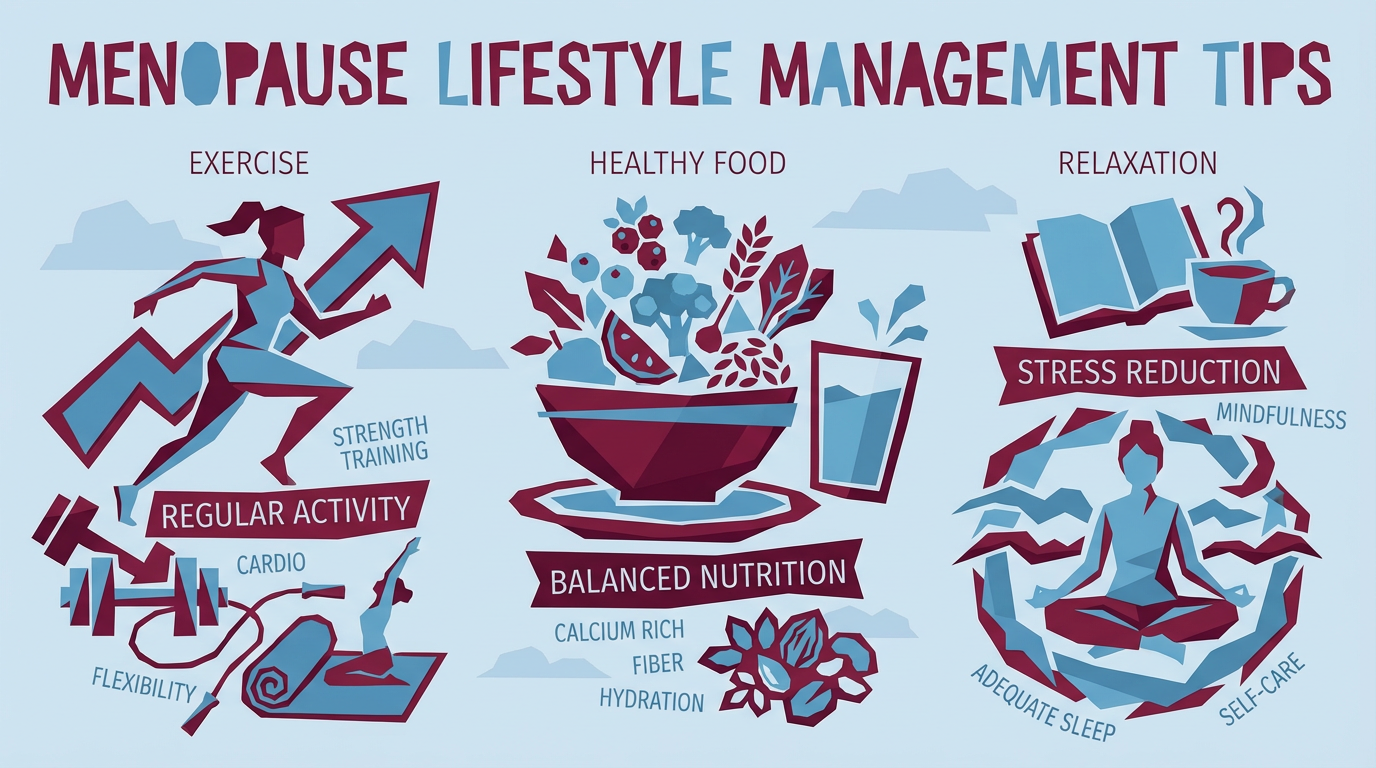
Evidence for lifestyle modifications varies, but many women find these strategies helpful for reducing symptom frequency and severity.
Temperature Management
Simple environmental adjustments can make a significant difference:
- Dress in layers that you can remove easily
- Keep your bedroom cool and well-ventilated
- Use a fan or cooling pillow
- Carry a portable fan or cooling spray
Dietary Considerations
Certain foods and drinks may trigger hot flushes:
- Limit alcohol, particularly red wine
- Reduce caffeine intake, especially in the afternoon
- Avoid spicy foods if they trigger symptoms
- Include phytoestrogen-rich foods like soy and flaxseed
Exercise and Weight Management
Maintaining a healthy weight may help reduce hot flush severity. The Australasian Menopause Society notes that weight gain can increase vasomotor symptoms, so maintaining healthy weight through regular physical activity may be beneficial. Regular exercise also supports bone health, mood, and sleep quality during menopause.
Stress Reduction
While evidence for relaxation techniques specifically reducing hot flushes is mixed, managing stress can improve your overall experience of symptoms. Cognitive behavioural therapy (CBT) has shown effectiveness in reducing how bothersome hot flushes feel, even if it does not change their frequency [2].
Medical Treatment Options
When lifestyle modifications are not enough, medical treatments can provide significant relief. Your healthcare provider can help you weigh the benefits and risks based on your individual circumstances.
Menopausal Hormone Therapy
Menopausal hormone therapy (MHT) remains the most effective treatment for hot flushes, reducing their frequency by approximately 75% [2]. The 2022 NAMS Position Statement confirms that for women under 60 or within 10 years of menopause with no contraindications, the benefits of MHT generally outweigh the risks.
Body-identical hormones, which have the same molecular structure as hormones your body naturally produces, are available through TGA-registered products. Transdermal oestrogen (patches or gels) may carry lower risks than oral preparations, and micronised progesterone is often preferred over synthetic alternatives.
Important: Treatment decisions should be individualised based on your medical history, symptoms, and risk factors. Your doctor will help determine whether MHT is appropriate for you.
Non-Hormonal Options
For women who cannot or prefer not to use hormone therapy, several alternatives exist:
- Certain antidepressants may reduce hot flush frequency
- Gabapentin has shown effectiveness in some studies
- Newer treatments targeting the neurokinin B pathway offer promising non-hormonal options
The Australasian Menopause Society notes that while non-hormonal treatments primarily address hot flushes and night sweats, they may not provide the broader benefits of MHT for bone health or genitourinary symptoms.
Hot Flushes and Your Long-Term Health
Research increasingly links hot flushes to broader health considerations. Studies suggest that women who experience frequent or severe hot flushes may have higher cardiovascular disease risk [1]. This connection makes addressing vasomotor symptoms not just a quality-of-life issue but potentially a marker for other health considerations worth discussing with your healthcare provider.
Additionally, night sweats disrupting sleep can affect concentration, mood, and overall wellbeing. Addressing hot flushes comprehensively supports your health across multiple dimensions.
When to Seek Help
While hot flushes are a normal part of menopause for most women, you should consult a healthcare provider if:
- Symptoms significantly disrupt your sleep, work, or daily activities
- You experience additional concerning symptoms like unexplained weight loss, heart palpitations, or rapid heartbeat
- You want to explore treatment options
- You are unsure whether your symptoms are related to menopause
You do not have to manage these symptoms alone. Support is available, and many women find relief with the right combination of lifestyle changes and medical care.
Frequently Asked Questions
What triggers hot flushes during menopause?
Hot flushes are primarily triggered by declining oestrogen levels affecting your brain's temperature regulation centre. Common situational triggers include alcohol, caffeine, spicy foods, stress, warm environments, and tight clothing. Identifying your personal triggers can help you manage symptoms more effectively.
How can I reduce hot flushes naturally?
Natural approaches include maintaining a healthy weight, regular exercise, stress management, dressing in layers, and avoiding known triggers like alcohol and caffeine. Some women find relief with phytoestrogen-rich foods. While evidence for these approaches varies, many women report improvement with lifestyle modifications.
Is hormone therapy safe for hot flushes?
For most women under 60 or within 10 years of menopause without contraindications, the benefits of MHT generally outweigh the risks [2]. Treatment decisions should be individualised based on your symptoms, medical history, and risk factors. Your healthcare provider can help determine whether MHT is appropriate for you.
How long will my hot flushes last?
Hot flushes typically persist for 7 to 10 years on average, though duration varies significantly between individuals [1][3]. When symptoms begin earlier in the menopause transition, they tend to last longer. Some women experience hot flushes for only a few years, while others may have symptoms for more than a decade.
Conclusion
Hot flushes are one of the most common and recognisable symptoms of menopause, affecting the vast majority of women during this life transition. While they can be disruptive, understanding their causes and knowing your management options can help you take control of your experience. From lifestyle modifications to medical treatments, effective solutions exist to help you feel more like yourself again.
You deserve care that listens to your concerns and provides personalised support throughout your menopause journey. If hot flushes are affecting your quality of life, consider speaking with a healthcare provider who understands menopause and can help you explore your options.
This information is for educational purposes only and is not medical advice. Consult your healthcare provider for personalised recommendations. Treatment decisions should be individualised based on your medical history and circumstances.
References
- Bansal, R., & Aggarwal, N. (2019). Menopausal hot flashes: A concise review. Journal of Mid-life Health, 10(1), 6-13. https://doi.org/10.4103/jmh.jmh_7_19
- The NAMS 2022 Hormone Therapy Position Statement Advisory Panel. (2022). The 2022 hormone therapy position statement of The North American Menopause Society. Menopause, 29(7), 767-794. https://doi.org/10.1097/GME.0000000000002028
- Freeman, E. W., Sammel, M. D., Lin, H., Liu, Z., & Gracia, C. R. (2011). Duration of menopausal hot flushes and associated risk factors. Obstetrics & Gynecology, 117(5), 1095-1104. https://doi.org/10.1097/AOG.0b013e318214f0de