






.png "Why Your Skin Gets Itchy During Menopause (And What Actually Helps)")
Itchy skin during menopause affects up to 78% of women and is primarily caused by declining oestrogen levels, which reduce collagen, natural oils, and skin hydration. Effective management includes consistent moisturising, gentle skincare routines, and discussing menopausal hormone therapy (MHT) with your healthcare provider.
If you've noticed your skin feels persistently itchy, dry, or prickly since entering perimenopause or menopause, you're not imagining things. Research suggests that up to 78% of women attending menopause clinics report itchy skin as a symptom, yet it's rarely discussed alongside more well-known symptoms like hot flushes or night sweats [1]. The good news? Once you understand why it's happening, there are practical steps that can bring real relief.
What Causes Itchy Skin During Menopause?
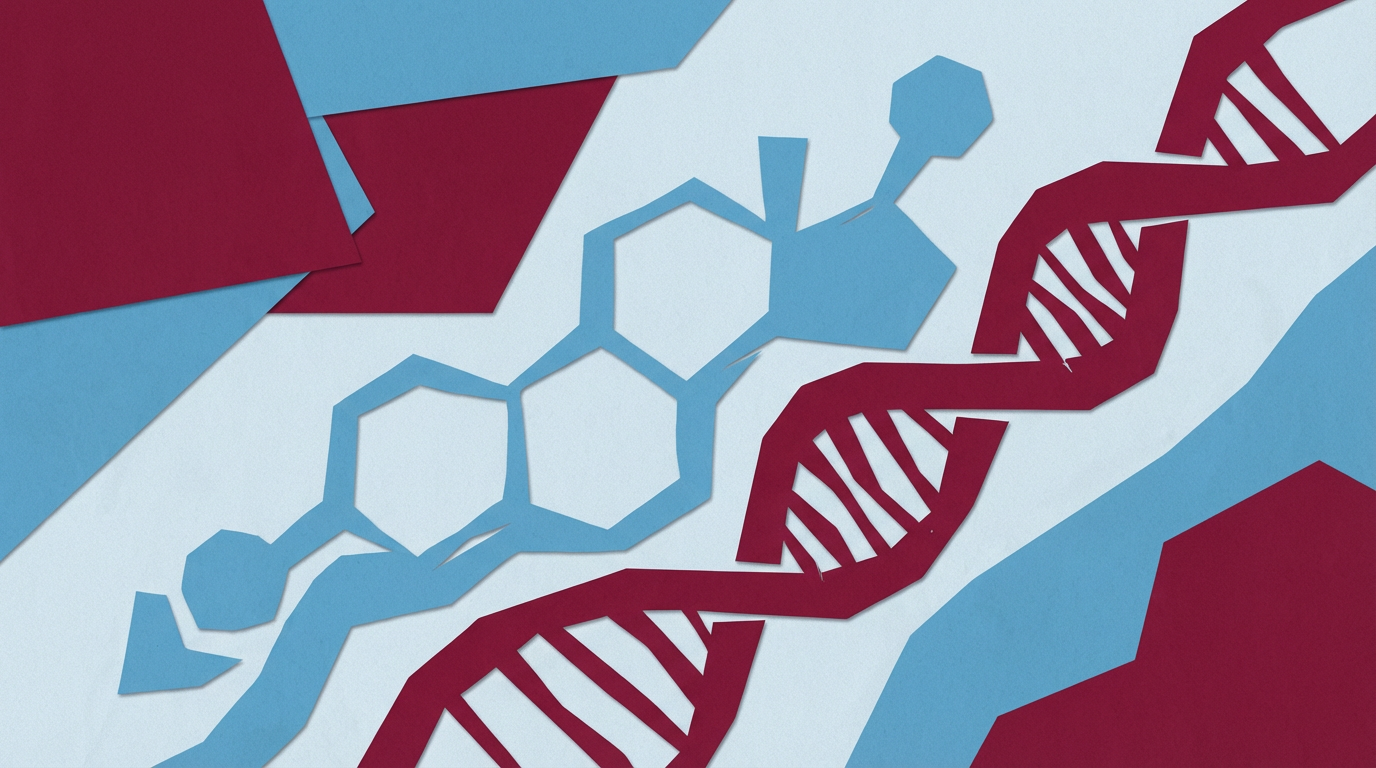
The primary driver of menopause itchy skin is the decline in oestrogen that occurs during perimenopause and menopause. Oestrogen plays a crucial role in skin health because your skin contains numerous oestrogen receptors that help regulate collagen and elastin production [2].
The Oestrogen-Skin Connection
When oestrogen levels drop, several changes occur in your skin:
- Collagen decline: Research indicates that postmenopausal women can lose nearly 30% of their skin collagen in the first five years following menopause, with collagen content declining approximately 2% annually [2].
- Reduced oil production: Your body produces less sebum, the natural oil that keeps skin moist and protected.
- Decreased hydration: Lower oestrogen means less hyaluronic acid production, reducing your skin's ability to retain water.
- Thinner skin barrier: The protective layer becomes weaker, allowing irritants in and moisture out.
These combined changes create the perfect conditions for itching, dryness, and discomfort.
Beyond Dryness: Other Types of Skin Sensations
Some women experience a specific type of menopausal itching called paresthesia. This involves unusual nerve sensations such as tingling, crawling, or prickling on the skin. These sensations can occur even when skin appears healthy, making them particularly frustrating to manage.
Another form, known as formication, creates the sensation of insects crawling under the skin. These nerve-related symptoms occur because hormonal changes affect nerve function throughout the body.
Where Does Menopause Itching Occur?
Menopause itchy skin can affect almost any part of your body, though certain areas are more commonly affected:
- Face, neck, and chest
- Arms and legs
- Back
- Scalp
- Vulva and vaginal area
Many women report that itching becomes more severe at night, which can significantly disrupt sleep. This connection between skin symptoms and sleep disorders is important to discuss with your healthcare provider.
Intimate Area Changes
Vaginal dryness and vulvar itching are particularly common during menopause. When oestrogen levels decline, vaginal tissues can become drier and thinner, a condition sometimes called vaginal atrophy. This can cause significant discomfort, itching, and irritation.
What Actually Helps: Evidence-Based Solutions
Managing menopause itchy skin often requires a multi-pronged approach. Here's what research and clinical experience suggest may help.
Daily Skincare Strategies
Moisturise consistently: Apply a rich, fragrance-free moisturiser immediately after bathing while skin is still damp to lock in moisture. Look for products containing ceramides, glycerin, or hyaluronic acid.
Choose gentle cleansers: Soap can strip natural oils from your skin. Switch to mild, pH-balanced cleansers that won't further dry your skin.
Avoid hot water: Hot showers and baths can rob your skin of precious oils. Keep water lukewarm and limit bathing to 10 minutes.
Try oatmeal baths: Colloidal oatmeal has been used for centuries to soothe irritated skin. Research confirms that compounds in oats called avenanthramides can help reduce itching and inflammation.
Lifestyle Adjustments
Wear breathable fabrics: Choose loose, soft clothing made from natural fibres like cotton. Avoid wool and synthetic materials that can irritate sensitive skin.
Stay hydrated: Drinking adequate water supports skin health from the inside out.
Support skin through nutrition: Foods rich in vitamin E (almonds, avocados, hazelnuts) and omega-3 fatty acids (oily fish, walnuts) may support skin health.
Manage stress: Anxiety and stress can worsen skin symptoms. Consider relaxation techniques, gentle exercise, or speaking with a healthcare professional if stress is affecting your wellbeing.
When Skincare Isn't Enough: Medical Options
For many women, lifestyle changes and topical treatments provide significant relief. However, if your symptoms persist or significantly affect your quality of life, it may be time to discuss additional options with your healthcare provider.
Menopausal Hormone Therapy (MHT): A systematic review and meta-analysis found that MHT may increase collagen content and improve skin elasticity [3]. While MHT is not specifically prescribed for skin symptoms alone, women using it for other menopause symptoms often notice improvements in skin hydration and texture. Research suggests that oestrogen therapy can increase dermal collagen levels and may help prevent further collagen loss [2].
Important: Hormone therapy is not suitable for everyone. Your doctor will assess whether it's appropriate for you based on your individual health history, symptoms, and risk factors. Individual results may vary.
Topical treatments: Your GP may recommend specific products or short-term topical treatments to manage inflammation and itching.
Antihistamines: For some women, antihistamines may help, particularly if itching disrupts sleep.
When to See Your GP
While menopause itchy skin is common, persistent or severe symptoms warrant medical attention. You should consult your healthcare provider if:
- Itching doesn't improve with self-care after a few weeks
- Symptoms significantly disrupt your sleep or daily activities
- You notice visible skin changes, rashes, or signs of infection
- You're unsure whether your symptoms are menopause-related
Your GP can rule out other causes of itching, such as allergies, eczema, thyroid disorders, or other conditions that may require different treatment.
Frequently Asked Questions
How long does menopause itchy skin last?
Itchy skin can occur throughout perimenopause and into postmenopause. For some women, symptoms improve as the body adjusts to new hormone levels; for others, ongoing management strategies may be needed. There's no set timeline, as every woman's experience is different.
Can itchy skin be the first sign of menopause?
Yes, skin changes including dryness and itchiness can begin during perimenopause, sometimes before more commonly recognised symptoms appear. If you're in your 40s and noticing new skin symptoms, it may be worth discussing with your healthcare provider.
Does itchy skin go away after menopause?
Some women find their skin settles after the hormonal transition is complete, while others continue to experience dryness and sensitivity. Consistent skincare routines and staying hydrated remain important at any stage.
What ingredients should I look for in moisturisers?
Look for fragrance-free products containing ceramides, hyaluronic acid, glycerin, or urea. These ingredients help restore the skin barrier and retain moisture. Avoid products with alcohol, fragrances, or harsh chemicals that can further irritate sensitive skin.
Taking the Next Step
Menopause itchy skin is a real and common symptom that can significantly impact your comfort and quality of life. Understanding the hormonal changes behind it is the first step toward finding relief. With consistent skincare, lifestyle adjustments, and appropriate medical support when needed, many women find effective ways to manage their symptoms.
If your skin symptoms are affecting your daily life or you'd like to explore whether menopausal hormone therapy might be right for you, speaking with a healthcare professional who understands menopause can make all the difference. You don't have to navigate this alone, and you deserve to feel comfortable in your own skin.
This information is for educational purposes only and is not medical advice. Consult your healthcare provider for personalised recommendations. Treatment decisions should be individualised based on your medical history and circumstances.
References
- Salih, H., Schaedel, Z., Hum, O., & DeGiovanni, C. (2025). Results of a patient survey exploring skin symptoms in a menopause clinic. Post Reproductive Health, 31(3), 159–161. https://doi.org/10.1177/20533691251332403
- Kamp, E., Ashraf, M., Musbahi, E., & DeGiovanni, C. (2022). Menopause, skin and common dermatoses. Part 2: skin disorders. Clinical and Experimental Dermatology, 47(12), 2117–2122. https://doi.org/10.1111/ced.15308
- Pivazyan, L., Avetisyan, J., Loshkareva, M., & Abdurakhmanova, A. (2023). Skin rejuvenation in women using menopausal hormone therapy: A systematic review and meta-analysis. Journal of Menopausal Medicine, 29(3), 97–111. https://doi.org/10.6118/jmm.22042