









A menopause diet plan focuses on nutrient-dense whole foods, lean proteins, and healthy fats to support hormone balance and manage symptoms. This week-long meal guide provides practical, evidence-based meals to help you navigate this transition while maintaining your energy and wellbeing.
If you're navigating perimenopause or menopause, you've likely noticed that the eating patterns that worked in your 30s don't quite cut it anymore. You're not imagining it. Research shows that declining oestrogen levels can slow your metabolism by 250-300 calories daily, making a thoughtful menopause diet plan essential for maintaining your health and managing symptoms [1].
The good news? What you eat can make a real difference. Studies indicate that dietary changes may help reduce hot flushes, support bone health, and improve overall wellbeing during this transition [2]. This guide provides a practical week of hormone-friendly meals designed specifically for Australian women experiencing menopause.
Why Your Diet Matters During Menopause
The hormonal shifts during menopause affect far more than your menstrual cycle. As oestrogen levels decline, your body becomes more vulnerable to certain health concerns, including cardiovascular changes, bone density loss, and metabolic shifts [1].
Research demonstrates that sustained adherence to specific dietary patterns can meaningfully reduce vasomotor symptoms, support mood stability, and help with weight management [2]. A Mediterranean-style eating pattern has emerged as particularly beneficial for menopausal women, with systematic reviews showing improvements in weight, blood pressure, and cholesterol levels [3].
What Changes in Your Body
During menopause, your body experiences several shifts that affect how you process nutrients:
- Metabolic slowdown: Your body may burn fewer calories at rest, making nutrient-dense foods more important than ever
- Bone health concerns: Declining oestrogen accelerates bone loss, increasing calcium and vitamin D requirements
- Cardiovascular changes: Oestrogen previously offered some heart protection, making heart-healthy fats crucial
- Muscle mass reduction: Protein becomes essential for maintaining muscle strength
Building Your Menopause Diet Plan
A hormone-friendly eating approach focuses on whole foods that support your changing needs. Research suggests prioritising the following nutrients [1][2]:
Protein for Muscle Maintenance
Aim for approximately 1-1.2 grams of protein per kilogram of body weight daily. Good sources include:
- Fish and seafood (especially fatty fish like salmon)
- Legumes, lentils, and chickpeas
- Eggs and lean poultry
- Tofu and tempeh
Calcium and Vitamin D for Bones
Current guidelines recommend 1,200mg of calcium daily for women over 50, along with 800-2,000 IU of vitamin D [2]. Include:
- Dairy products or calcium-fortified alternatives
- Leafy greens like kale and bok choy
- Sardines and salmon with bones
- Fortified foods
Phytoestrogens for Symptom Support
Plant compounds called phytoestrogens may help ease some menopause symptoms. Research suggests benefits appear after 2-3 months of regular consumption, with intake spread throughout the day [1]. Sources include:
- Soy products (tofu, tempeh, edamame)
- Flaxseeds and chia seeds
- Chickpeas and lentils
Your 7-Day Menopause Meal Plan
This practical meal plan incorporates the key nutrients your body needs during menopause. Each day provides approximately 1,500-1,700 calories with balanced macronutrients.
Day 1: Mediterranean Start
Breakfast: Greek yoghurt with walnuts, chia seeds, and fresh berries
Lunch: Grilled salmon salad with mixed greens, avocado, cherry tomatoes, and olive oil dressing
Dinner: Baked chicken breast with roasted vegetables (sweet potato, zucchini, capsicum) and quinoa
Snack: Apple slices with almond butter
Day 2: Plant-Powered Day
Breakfast: Overnight oats made with rolled oats, calcium-fortified soy milk, ground flaxseed, and sliced banana
Lunch: Chickpea and vegetable curry with brown rice
Dinner: Tofu stir-fry with Asian greens, mushrooms, and sesame seeds
Snack: Handful of mixed nuts and a small piece of cheese
Day 3: Protein Focus
Breakfast: Scrambled eggs with spinach and whole grain toast
Lunch: Tuna and white bean salad with lemon olive oil dressing
Dinner: Grilled lamb cutlets with roasted beetroot, pumpkin, and steamed broccoli
Snack: Hummus with vegetable sticks
Day 4: Heart-Healthy Choices
Breakfast: Smoothie with calcium-fortified milk, banana, spinach, and peanut butter
Lunch: Lentil soup with crusty sourdough bread
Dinner: Baked barramundi with asparagus, cherry tomatoes, and new potatoes
Snack: Greek yoghurt with a drizzle of honey
Day 5: Fibre-Rich Day
Breakfast: Bircher muesli with grated apple, natural yoghurt, and pepitas
Lunch: Quinoa bowl with roasted vegetables, feta, and tahini dressing
Dinner: Slow-cooked beef and vegetable stew with pearl barley
Snack: Fresh fruit salad with a small handful of almonds
Day 6: Omega-3 Boost
Breakfast: Smoked salmon on rye toast with cream cheese and capers
Lunch: Warm chicken and vegetable salad with walnuts
Dinner: Sardines on toast with rocket salad and roasted cherry tomatoes
Snack: Edamame beans
Day 7: Balance and Variety
Breakfast: Vegetable frittata with mushrooms, capsicum, and herbs
Lunch: Vietnamese rice paper rolls with prawns and dipping sauce
Dinner: Mediterranean-style baked chicken with olives, sun-dried tomatoes, and roasted potatoes
Snack: Trail mix with dried fruit and seeds
Foods to Limit During Menopause
While focusing on nutrient-dense foods, research suggests limiting certain items that may worsen symptoms [1][2]:
- Processed foods: Often high in sodium and unhealthy fats
- Added sugars: Can contribute to blood sugar fluctuations and weight gain
- Excessive caffeine: May trigger hot flushes in some women
- Alcohol: Can disrupt sleep and trigger vasomotor symptoms
- High-sodium foods: May contribute to water retention and blood pressure concerns
Tip: Rather than focusing on what to remove, try adding more nutrient-dense whole foods to your meals. This naturally reduces space for less beneficial options.
Making Your Menopause Diet Plan Work
Creating sustainable eating habits requires more than a meal list. Consider these practical strategies:
Start Gradually
You don't need to overhaul everything at once. Begin by adding one serving of fatty fish weekly, or swapping refined grains for whole grain alternatives.
Stay Hydrated
Hot flushes and night sweats can increase fluid loss. Aim for 8-10 glasses of water daily, and keep a water bottle handy.
Spread Protein Throughout the Day
Rather than loading protein into one meal, distribute it across breakfast, lunch, and dinner to support muscle maintenance and steady energy.
Listen to Your Body
Your symptoms and needs are individual. Keep a food diary to identify any trigger foods and note which meals leave you feeling your best.
Frequently Asked Questions
What is the best diet to follow during menopause?
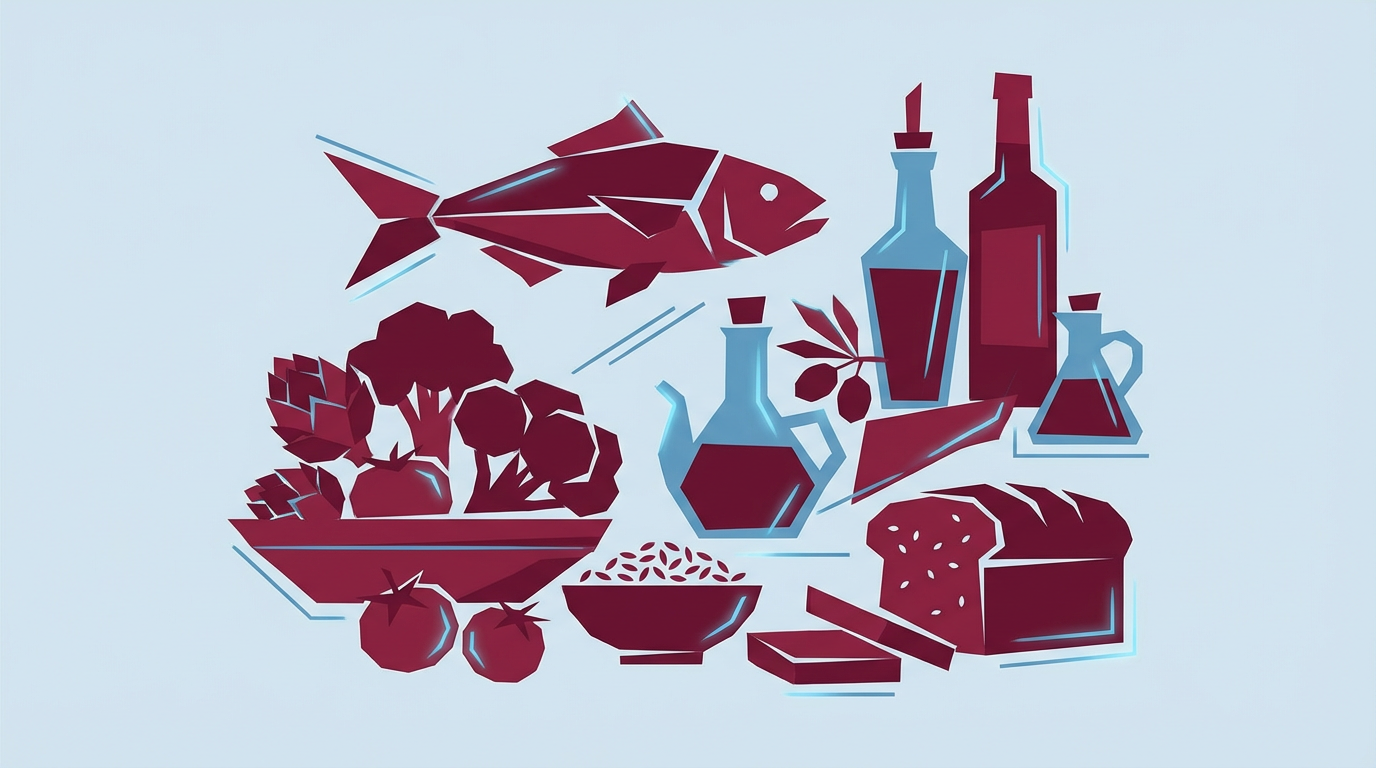
Research supports a Mediterranean-style eating pattern rich in vegetables, fruits, whole grains, legumes, fish, and healthy fats like olive oil. This approach has been shown to support weight management, cardiovascular health, and may help reduce menopause symptoms [3].
Can diet really help reduce hot flushes?
Studies suggest that increasing whole grains, fruits, and vegetables while reducing saturated fat intake may moderately help reduce hot flushes. Phytoestrogen-rich foods like soy may also provide some benefit, though individual responses vary [1][2].
How much protein do I need during menopause?
Current recommendations suggest 1-1.2 grams of protein per kilogram of body weight daily to help maintain muscle mass, which naturally declines during menopause [1].
Should I take supplements alongside my menopause diet?
Many women benefit from vitamin D supplementation, particularly with limited sun exposure. Speak with your healthcare provider about whether supplements are appropriate for your individual needs.
When to Seek Professional Support
While dietary changes can make a meaningful difference, sometimes you need additional support. If you're experiencing persistent fatigue, significant mood changes, or symptoms that affect your daily life, speaking with a healthcare professional can help you explore your options.
A personalised approach that considers your medical history, lifestyle, and specific symptoms will always be more effective than a one-size-fits-all plan. Your healthcare provider can help determine whether menopausal hormone therapy (MHT) or other treatments might complement your dietary efforts.
Conclusion
A thoughtful menopause diet plan can genuinely support your wellbeing during this transition. By focusing on nutrient-dense whole foods, adequate protein, calcium-rich options, and heart-healthy fats, you're giving your body the tools it needs to navigate hormonal changes more smoothly.
Remember, your menopause journey is unique. What works for one woman may not work for another, and that's completely normal. The key is finding an eating pattern that supports your individual needs while being sustainable for the long term.
If you'd like personalised guidance on managing menopause through nutrition and holistic care, our team at Emsee is here to help. Our menopause-focused healthcare professionals can work with you to create an individualised plan that addresses your specific symptoms and health goals.
This information is for educational purposes only and is not medical advice. Consult your healthcare provider for personalised recommendations. Treatment decisions should be individualised based on your medical history and circumstances.
References
- Erdélyi, A., Pálfi, E., Tűű, L., Nas, K., Szűcs, Z., Török, M., Jakab, A., & Várbíró, S. (2023). The importance of nutrition in menopause and perimenopause—A review. Nutrients, 16(1), 27. https://doi.org/10.3390/nu16010027
- Liu, Y., & Guo, Z. (2025). Dietary interventions and nutritional strategies for menopausal health: A mini review. Frontiers in Nutrition, 12, 1702105. https://doi.org/10.3389/fnut.2025.1702105
- Gonçalves, C., Moreira, H., & Santos, R. (2024). Systematic review of mediterranean diet interventions in menopausal women. AIMS Public Health, 11(1), 110-129. https://doi.org/10.3934/publichealth.2024005