










Menopause fatigue affects up to 85% of postmenopausal women and stems from fluctuating hormones, disrupted sleep, and interconnected symptoms. With the right combination of lifestyle changes, exercise, and medical support, you can reclaim your energy and feel like yourself again.
If you're dragging yourself through each day wondering where your energy went, you're not alone. Fatigue during menopause isn't just feeling a bit tired after a busy day; it's a deep, persistent exhaustion that sleep doesn't seem to fix. Research shows that 85% of postmenopausal women and nearly half of perimenopausal women experience this overwhelming physical and mental exhaustion [1]. The good news? Understanding why this happens is the first step toward reclaiming your vitality. This guide explores the science behind menopause fatigue and provides evidence-based strategies to help you feel energised again.
Why Menopause Fatigue Feels Different
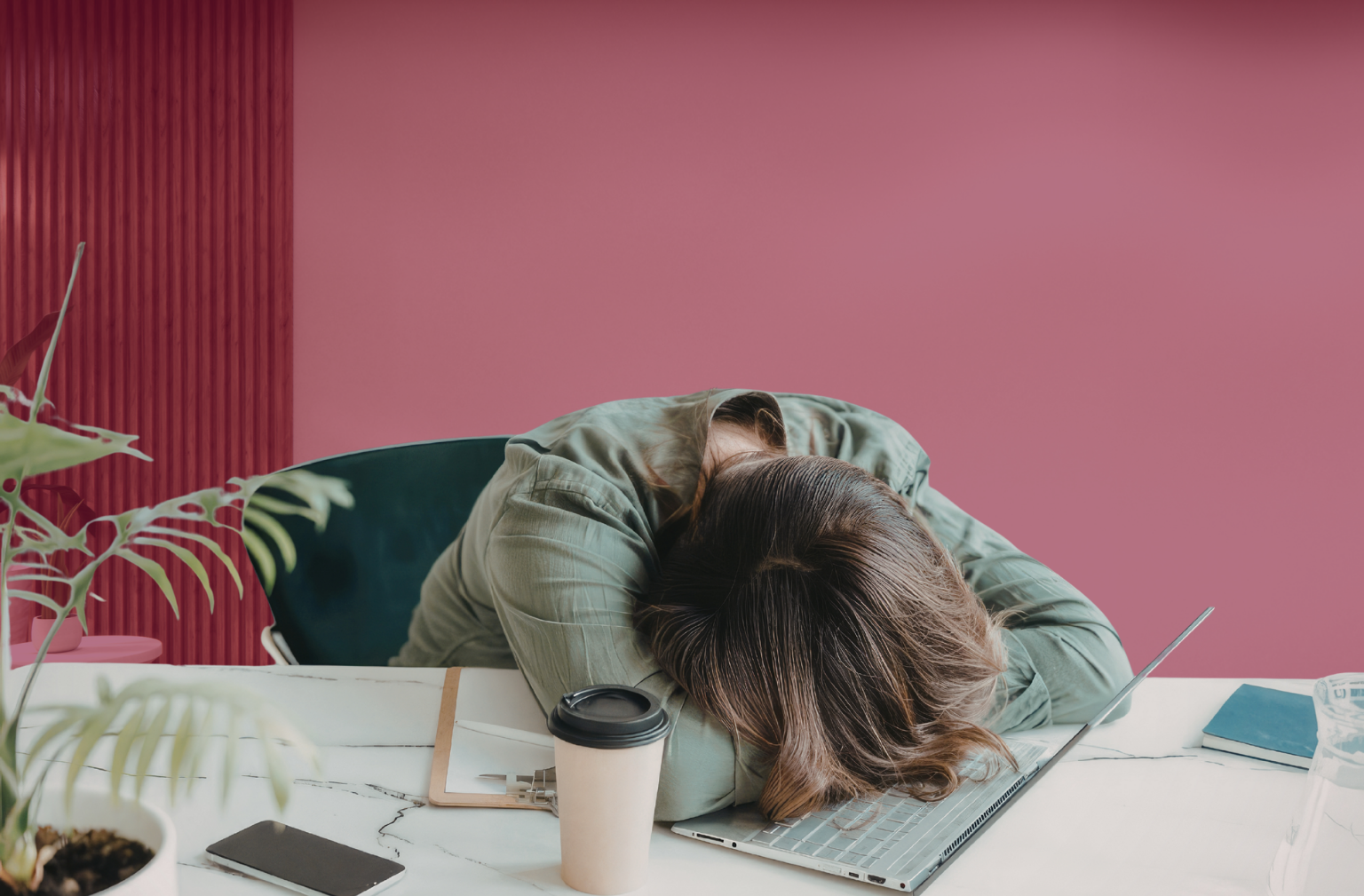
Menopause fatigue isn't ordinary tiredness. It's a profound exhaustion that can affect your ability to work, maintain relationships, and complete everyday tasks. Many women describe it as feeling 'wiped out' despite getting adequate rest.
The Hormonal Connection
During perimenopause and menopause, your oestrogen and progesterone levels fluctuate dramatically before eventually declining. These hormonal shifts affect far more than your reproductive system. They influence your adrenal and thyroid hormones, which regulate cellular energy throughout your body. When these systems become unbalanced, fatigue often follows.
Research demonstrates that these hormone variations can trigger a cascade of symptoms including fatigue, brain fog, and difficulty concentrating.
Sleep Disruption Creates a Vicious Cycle
Sleep disorders affect 40–60% of menopausal women, and poor sleep directly contributes to daytime exhaustion. Hot flushes and night sweats can wake you multiple times each night, preventing the restorative deep sleep your body needs.
Additionally, declining progesterone levels may reduce your natural protection against sleep apnoea. A significant proportion of postmenopausal women may experience this condition, which causes breathing interruptions during sleep and leads to significant daytime fatigue [3].
The Symptom Cluster Effect
Fatigue rarely occurs in isolation during menopause. Research from the Study of Women's Health Across the Nation (SWAN) found that symptoms tend to cluster together. Vasomotor symptoms like hot flushes frequently appear alongside sleep disturbances and fatigue, creating interconnected patterns that can persist throughout the menopause transition [2].
Understanding this clustering is important because addressing one symptom often helps improve others. For instance, managing night sweats may improve your sleep quality, which in turn reduces daytime fatigue.
When Heavy Bleeding Adds to Exhaustion
A 2025 study revealed that heavy or prolonged menstrual bleeding during perimenopause significantly increases fatigue risk. Women experiencing three or more episodes of heavy bleeding within six months showed substantially higher odds of fatigue compared to those with normal bleeding patterns. If you're in perimenopause and noticing both heavy periods and exhaustion, discussing this connection with your healthcare provider may be valuable.
Evidence-Based Strategies to Boost Your Energy
Movement That Makes a Difference
A 2024 systematic review and meta-analysis found that mind-body exercises significantly reduce fatigue in perimenopausal and postmenopausal women [5]. Practices like yoga, tai chi, Pilates, and qigong offer meaningful benefits. Another comprehensive review of 80 studies found yoga particularly promising for improving physical symptoms during menopause [6].
Tip: Start with gentle activities you enjoy. Even 30-minute sessions three times weekly can make a noticeable difference. However, avoid exercising within four hours of bedtime, as this may disrupt your sleep.
Nutrition for Sustained Energy
What you eat significantly impacts your energy levels. The Mediterranean diet, rich in plant-based foods, healthy fats, and seafood, is frequently recommended for menopausal women as it addresses multiple concerns including fatigue and cardiovascular health.
Consider these nutritional priorities:
- Iron and B12: Deficiencies in these nutrients commonly contribute to fatigue
- Complex carbohydrates: Choose whole grains over simple sugars for sustained energy
- Lean protein: Supports muscle maintenance and stable blood sugar levels
- Adequate hydration: Even mild dehydration can worsen tiredness
Sleep Hygiene Fundamentals
Improving your sleep environment and habits can significantly impact fatigue:
- Keep your bedroom cool, dark, and quiet
- Maintain consistent sleep and wake times
- Limit caffeine after 3pm; it can disrupt sleep for hours
- Reduce alcohol intake, which fragments sleep and may trigger hot flushes
- Consider breathable sleepwear and layered bedding for temperature regulation

Medical Approaches to Consider
Menopausal Hormone Therapy (MHT)
For many women, hormone therapy can help address the root cause of menopause fatigue by stabilising fluctuating hormone levels. Research indicates that MHT may improve sleep quality by reducing hot flushes that disrupt rest, while also supporting muscle and bone health.
Treatment is highly individualised. Your healthcare provider will consider your personal and family medical history, symptoms, and risk factors to determine whether MHT might be appropriate for you. If you're already using hormone therapy but still experiencing fatigue, adjustments to your dose or formulation may help.
Ruling Out Other Causes
Fatigue during midlife isn't always menopause-related. Your GP may recommend testing for:
- Thyroid dysfunction: Underactive thyroid is common in perimenopausal and menopausal women
- Iron deficiency anaemia: Especially relevant if you're experiencing heavy bleeding
- Vitamin D deficiency: Affects energy and mood
- Sleep apnoea: Increasingly common after menopause
Getting appropriate testing ensures you receive targeted treatment rather than assuming all fatigue stems from hormonal changes.
Supporting Your Mental Wellbeing
Mood changes, anxiety, and depression during menopause can both cause and worsen fatigue. Research shows psychological distress affects approximately 25–29% of women during the menopausal transition [3].
Addressing mental health is an essential component of managing fatigue. Cognitive behavioural therapy (CBT) has shown effectiveness for menopause-related sleep problems and mood concerns. Mind-body practices like meditation and yoga support both emotional wellbeing and energy levels.
When to Seek Professional Support
While some fatigue during menopause is common, extreme exhaustion that significantly interferes with your daily life warrants medical attention. Seek support if you:
- Experience fatigue that doesn't improve with adequate rest
- Notice sudden, severe 'crashing' fatigue episodes
- Have symptoms affecting your work performance or relationships
- Feel persistently low in mood alongside exhaustion
- Experience heavy menstrual bleeding with fatigue
A healthcare provider can help identify contributing factors and develop a personalised treatment plan. You don't need to simply accept exhaustion as an inevitable part of this life stage.
Frequently Asked Questions
How long does menopause fatigue typically last?
Perimenopause can span 4–10 years, and fatigue often fluctuates throughout this time. Many women find their energy levels stabilise after reaching menopause, when hormone fluctuations settle. However, addressing contributing factors like sleep disruption and lifestyle habits can help reduce fatigue duration.
Can menopause fatigue be completely resolved?
While individual experiences vary, many women find significant improvement with appropriate treatment and lifestyle modifications. A comprehensive approach addressing sleep, nutrition, exercise, and hormonal factors offers the best outcomes. Working with a healthcare provider ensures your treatment plan is tailored to your specific needs.
Does hormone therapy help with menopause fatigue?
For some women, menopausal hormone therapy may help by reducing symptoms like hot flushes and night sweats that disrupt sleep. However, MHT isn't suitable for everyone. Your doctor will assess whether it's appropriate based on your individual health history, symptoms, and risk factors. Individual results vary.
Reclaiming Your Energy
Menopause fatigue is real, it's common, and most importantly, it's manageable. Understanding the hormonal and physiological factors behind your exhaustion empowers you to take targeted action. Whether through lifestyle modifications, mind-body practices, or medical support, there are evidence-based paths to feeling more energised.
You deserve to feel heard and supported throughout your menopause journey. If fatigue is affecting your quality of life, reaching out to a healthcare professional is a positive step toward feeling like yourself again. With the right support, you can navigate this transition and reclaim your vitality.
This information is for educational purposes only and is not medical advice. Consult your healthcare provider for personalised recommendations. Treatment decisions should be individualised based on your medical history and circumstances.
References
- Taylor-Swanson, L., Wong, A. E., Pincus, D., Butner, J. E., Hahn-Holbrook, J., Koithan, M., Wann, K., & Woods, N. F. (2018). The dynamics of stress and fatigue across menopause: Attractors, coupling, and resilience. Menopause, 25(4), 380–390. https://doi.org/10.1097/GME.0000000000001025
- Harlow, S. D., Karvonen-Gutierrez, C., Elliott, M. R., Bondarenko, I., Avis, N. E., Bromberger, J. T., Brooks, M. M., Miller, J. M., & Reed, B. D. (2017). It is not just menopause: Symptom clustering in the Study of Women's Health Across the Nation. Women's Midlife Health, 3, 2. https://doi.org/10.1186/s40695-017-0021-y
- Troìa, L., Garassino, M., Volpicelli, A. I., Fornara, A., Libretti, A., Surico, D., & Remorgida, V. (2025). Sleep disturbance and perimenopause: A narrative review. Journal of Clinical Medicine, 14(5), 1479. https://doi.org/10.3390/jcm14051479
- Harlow, S. D., Gold, E. B., Hood, M. M., Mukwege, A. A., Randolph, J. F., & Greendale, G. A. (2025). Abnormal uterine bleeding is associated with fatigue during the menopause transition. Menopause, 32(6), 499–504. https://doi.org/10.1097/GME.0000000000002525
- Xu, H., Liu, J., Li, P., & Liang, Y. (2024). Effects of mind-body exercise on perimenopausal and postmenopausal women: A systematic review and meta-analysis. Menopause, 31(5), 457–467. https://doi.org/10.1097/GME.0000000000002336
- Money, A., MacKenzie, A., Norman, G., Eost-Telling, C., Harris, D., McDermott, J., & Todd, C. (2024). The impact of physical activity and exercise interventions on symptoms for women experiencing menopause: Overview of reviews. BMC Women's Health, 24(1), 399. https://doi.org/10.1186/s12905-024-03243-4