







Night sweats affect up to 80% of women during menopause and typically last 7+ years. They're caused by hormonal changes affecting your body's temperature regulation. Effective management includes lifestyle modifications, cognitive behavioural therapy, and for many women, menopausal hormone therapy (MHT).
If you've ever woken up drenched in sweat, sheets soaked and sleep ruined, you're not alone. Night sweats are one of the most common and disruptive symptoms women experience during the menopause transition. Research shows that up to 80% of women will experience these episodes at some point during their journey, and for many, they persist far longer than expected [1].
The good news? Understanding why night sweats happen is the first step toward finding relief. In this guide, we'll explore the science behind menopausal night sweats and share evidence-based strategies to help you reclaim restful sleep.
What Are Night Sweats and Why Do They Happen?
Night sweats are essentially hot flushes that occur while you're asleep. They're characterised by drenching sweats intense enough to soak through your sleepwear and bedding, often disrupting your sleep and leaving you feeling exhausted the next day.
The Science Behind Vasomotor Symptoms
Night sweats and hot flushes are collectively known as vasomotor symptoms (VMS). They occur because declining oestrogen levels affect the hypothalamus, the part of your brain that acts as your body's thermostat.
During perimenopause and menopause, fluctuating hormone levels cause the hypothalamus to become more sensitive to slight changes in body temperature. When it incorrectly perceives that you're overheating, it triggers your body's cooling mechanisms: blood vessels dilate, your heart rate increases, and you begin to sweat.
Think of it as a glitch in your internal thermostat. Your brain initiates a cooling response even when it isn't needed, resulting in the sudden heat, flushing, and sweating that characterise these episodes.
How Long Do Night Sweats Last?
One of the most common questions women ask is how long they can expect to experience night sweats. The answer, unfortunately, is longer than many anticipate.
A landmark study following over 1,400 women through the menopause transition found that the median total duration of frequent vasomotor symptoms was 7.4 years, with symptoms persisting a median of 4.5 years after the final menstrual period [1]. For women who began experiencing symptoms in early perimenopause, the median duration extended beyond 11 years.
The study also revealed significant variation based on ethnicity, with African American women experiencing the longest duration (median 10.1 years) and Chinese and Japanese women the shortest (median 4.8–5.4 years) [1].
Risk Factors That May Worsen Night Sweats
While hormonal changes are the primary driver, several factors can influence the severity and frequency of night sweats:
- Smoking: Research consistently shows smokers experience more frequent and severe night sweats
- Body weight: Women with higher body mass index may experience more pronounced symptoms. Weight gain during menopause can exacerbate vasomotor symptoms
- Stress and anxiety: Psychological factors can trigger or intensify episodes
- Dietary triggers: Caffeine, alcohol, and spicy foods can provoke night sweats in some women
- Room temperature: A warm sleeping environment can lower your threshold for triggering an episode
Recent research has also identified a link between insulin levels and vasomotor symptoms. Higher insulin levels at midlife appear to predict earlier onset and longer duration of hot flushes and night sweats.
The Impact on Sleep and Wellbeing
Night sweats don't just disrupt a single night's sleep. Research suggests they increase the likelihood of waking during the night by 85%, leading to fragmented sleep that affects your functioning the next day.
Poor sleep quality can contribute to a cascade of other issues, including fatigue, difficulty concentrating, mood changes, and sleep disorders. Night sweats have also been significantly associated with depression and stress, creating a cycle where disrupted sleep worsens emotional wellbeing, which in turn can intensify symptoms.
The International Menopause Society reports that for up to 25% of women, vasomotor symptoms significantly lower quality of life due to physical discomfort, social embarrassment, sleep disruption, and associated stress.
Practical Strategies for Better Sleep
Managing night sweats often requires a multi-faceted approach. Here are evidence-based strategies that may help:
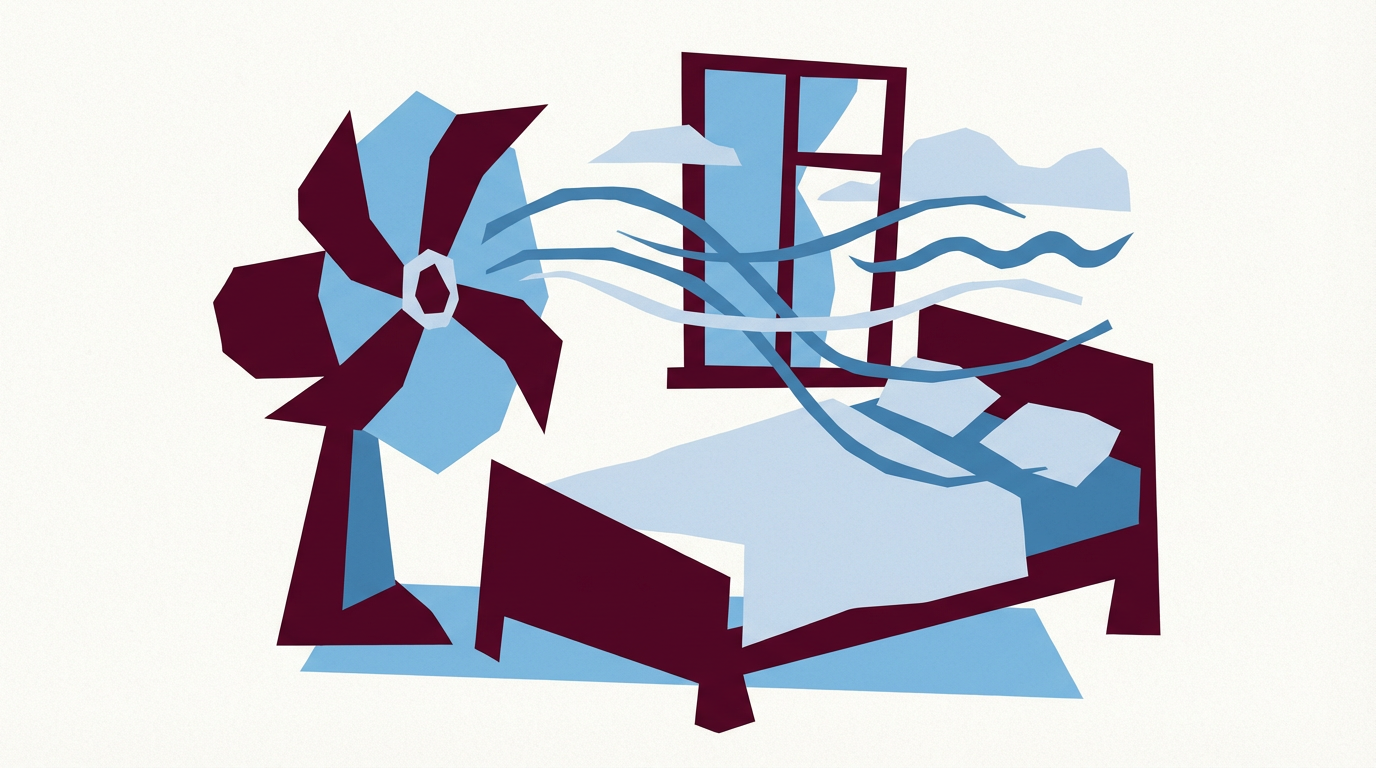
Optimise Your Sleep Environment
Creating a cool, comfortable bedroom is essential:
- Temperature: Keep your bedroom between 16-19°C (60-67°F)
- Bedding: Choose breathable, moisture-wicking fabrics like cotton or bamboo
- Layers: Use light, removable layers rather than heavy duvets
- Airflow: Position a fan near your bed or use air conditioning
- Pillow: Consider a cooling pillow designed to dissipate heat
Lifestyle Modifications
Simple changes can make a meaningful difference:
- Avoid triggers before bed: Limit caffeine, alcohol, and spicy foods in the evening
- Stay hydrated: Keep water by your bedside
- Maintain a healthy weight: Research suggests weight loss may reduce hot flush frequency
- Exercise regularly: While exercise doesn't directly reduce night sweats, it improves overall sleep quality and helps manage stress
- Dress appropriately: Wear loose, breathable sleepwear or moisture-wicking fabrics
Cognitive Behavioural Therapy
The Australasian Menopause Society recognises cognitive behavioural therapy (CBT) as an effective approach for reducing the impact of vasomotor symptoms and improving sleep. CBT helps you develop relaxation techniques, breathing exercises, and strategies to change how you respond to symptoms.
Both group and individual CBT have been shown to be effective, and this approach can be used alongside other treatments.
Treatment Options to Discuss With Your Doctor
When lifestyle modifications aren't enough, several treatment options may help. Any treatment decision should be made in consultation with your healthcare provider, based on your individual circumstances.
Menopausal Hormone Therapy (MHT)
MHT remains the most effective treatment for vasomotor symptoms [2], with research showing it can reduce symptoms by up to 75-90%. For healthy women under 60, or within 10 years of menopause onset, the benefits generally outweigh the risks.
The 2022 North American Menopause Society position statement notes that transdermal routes of administration (patches, gels) may carry lower risks compared to oral preparations [2]. Treatment is individualised based on your symptoms, medical history, and personal preferences.
Important: Treatment decisions should be individualised based on your medical history and circumstances. Your doctor will assess whether MHT is appropriate for you based on your individual health history, symptoms, and risk factors. Individual results may vary.
Non-Hormonal Options
For women who cannot or prefer not to use hormone therapy, several non-hormonal options exist:
- Certain antidepressants (SSRIs/SNRIs) have been shown to reduce hot flush frequency
- Gabapentin may help some women, particularly those experiencing primarily night-time symptoms
- Newer targeted therapies work directly on the brain's temperature regulation centre
Your GP can discuss which options may be suitable for your situation.
Complementary Approaches
Some women find relief with complementary therapies, though evidence varies:
- Mindfulness meditation may reduce how much bother women experience from symptoms
- Phytoestrogens (plant-based compounds found in soy) may provide modest relief for some women
It's important to note that complementary therapies aren't regulated the same way as prescription treatments. Discuss any supplements with your healthcare provider.
Frequently Asked Questions
How do I know if my night sweats are related to menopause?
Night sweats that begin during your 40s or 50s and coincide with other menopause symptoms like irregular periods, hot flushes, or mood changes are likely related to the menopause transition. However, other conditions can cause night sweats, including thyroid disorders, infections, and certain medications. If you're unsure or have other concerning symptoms like unexplained weight loss or fever, consult your doctor.
Can night sweats continue after menopause?
Yes. While many women find their symptoms improve after menopause, research shows night sweats often persist for 4-5 years after the final menstrual period, and some women experience them well into their 60s and beyond [1].
When should I see a doctor about night sweats?
Consider consulting your GP if night sweats are severely disrupting your sleep, they're accompanied by other symptoms like unexplained weight loss or fever, lifestyle modifications aren't providing relief, or you'd like to discuss treatment options.
Finding Support for Your Menopause Journey
Night sweats can feel isolating, but you're not alone. Up to 80% of women experience these symptoms, and effective management options exist. The key is finding the right combination of strategies that work for your unique situation.
Whether you're looking for lifestyle modifications, considering treatment options, or simply want to understand what's happening in your body, having the right support makes all the difference. A healthcare provider who specialises in menopause care can help you navigate your options and develop a personalised approach.
At Emsee, we understand how disruptive night sweats can be. Our menopause program connects you with experienced healthcare professionals who can provide comprehensive, holistic support through telehealth consultations.
This information is for educational purposes only and is not medical advice. Consult your healthcare provider for personalised recommendations. Treatment decisions should be individualised based on your medical history and circumstances.
References
- Avis, N. E., Crawford, S. L., Greendale, G., Bromberger, J. T., Everson-Rose, S. A., Gold, E. B., … Thurston, R. C. (2015). Duration of menopausal vasomotor symptoms over the menopause transition. JAMA Internal Medicine, 175(4), 531. https://doi.org/10.1001/jamainternmed.2014.8063
- The NAMS 2022 Hormone Therapy Position Statement Advisory Panel. (2022). The 2022 hormone therapy position statement of The North American Menopause Society. Menopause, 29(7), 767-794. https://doi.org/10.1097/GME.0000000000002028