









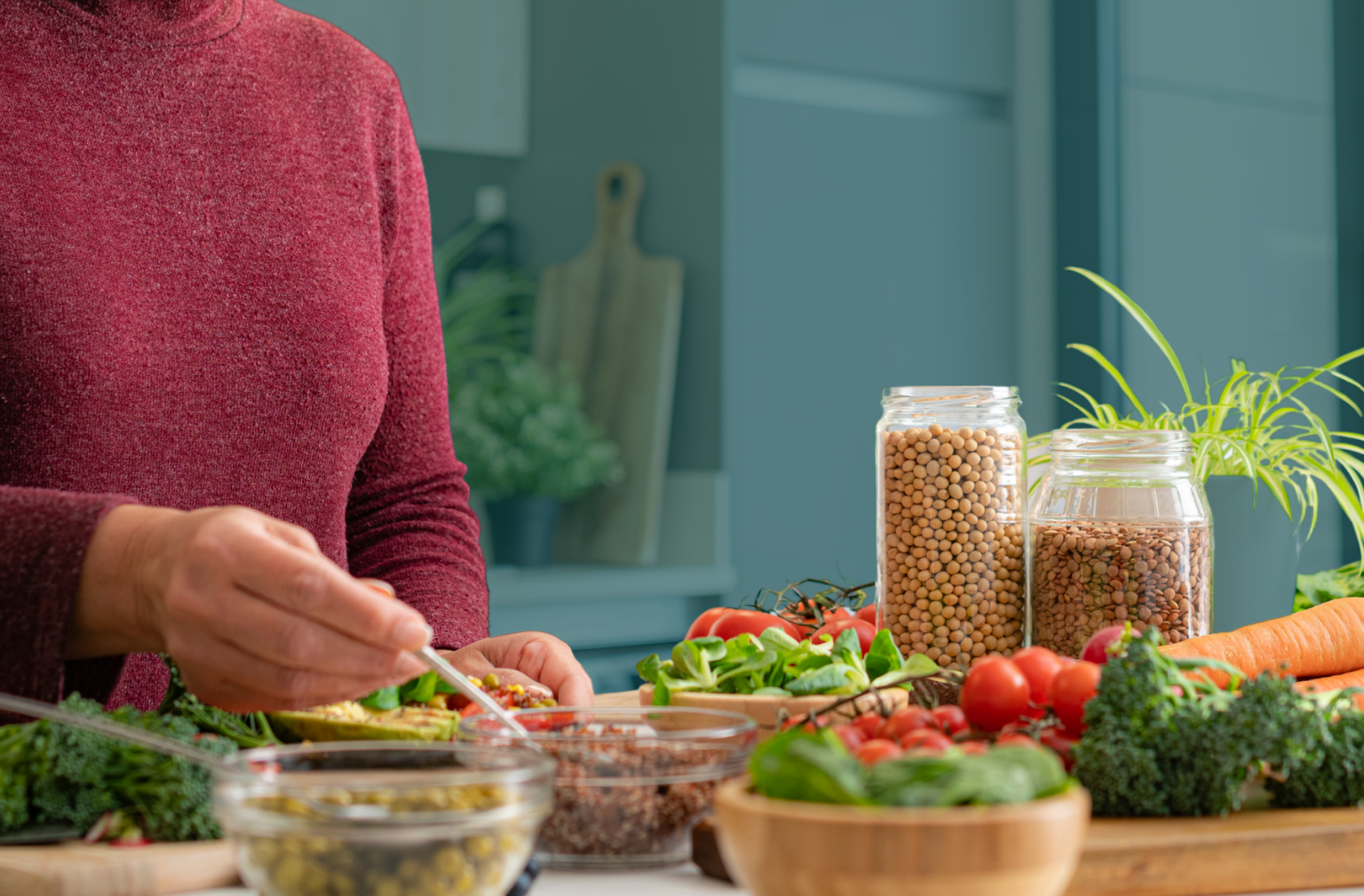
A well-planned menopause diet rich in vegetables, whole grains, lean proteins, and calcium-rich foods may help manage symptoms like hot flushes and support bone health. Research suggests the Mediterranean dietary pattern offers particular benefits during this life stage.
If you're experiencing common menopause symptoms like hot flushes, mood changes, or unexpected weight shifts, you're not alone. What you eat can make a meaningful difference to how you feel during this transition. While no single food will eliminate symptoms entirely, evidence suggests that strategic nutrition choices may help reduce their intensity and frequency.
During menopause, declining oestrogen levels trigger changes throughout your body. Your metabolism naturally slows, with some research indicating you may burn 250–300 fewer calories daily than before [1]. This metabolic shift, combined with hormonal fluctuations, can affect everything from your energy levels to your bone density. The good news? Dietary therapy can be an integral part of managing these changes and reducing associated health risks [1].
This guide explores what the latest research says about menopause nutrition and provides practical strategies you can start using today.
Why Your Diet Matters During Menopause
Menopause marks a significant physiological transition. Beyond the well-known symptoms, this life stage is associated with increased prevalence of obesity, metabolic syndrome, cardiovascular disease, and osteoporosis [1]. Nutritional intervention is essential for primary prevention of these chronic conditions.
Contemporary evidence from systematic reviews and randomised controlled trials consistently demonstrates that sustained adherence to specific dietary patterns can meaningfully attenuate vasomotor symptoms, ameliorate mood disturbances, facilitate weight regulation, and substantially mitigate chronic disease risk [2].
The Metabolic Shift
Your body's energy requirements change during perimenopause and menopause. Without adjustments to your eating habits or activity levels, this metabolic slowdown can contribute to gradual weight gain. Research suggests a balanced, long-term dietary approach proves more effective than restrictive dieting, with gradual weight loss of 0.5–1 kg weekly being recommended [1].
The Mediterranean Diet Approach
The Mediterranean dietary pattern has emerged as one of the most thoroughly researched approaches for menopausal health. A 2024 systematic review found that adherence to this eating style can have beneficial impacts on menopausal women's health, including reductions in weight, blood pressure, and improvements in cholesterol levels [3].
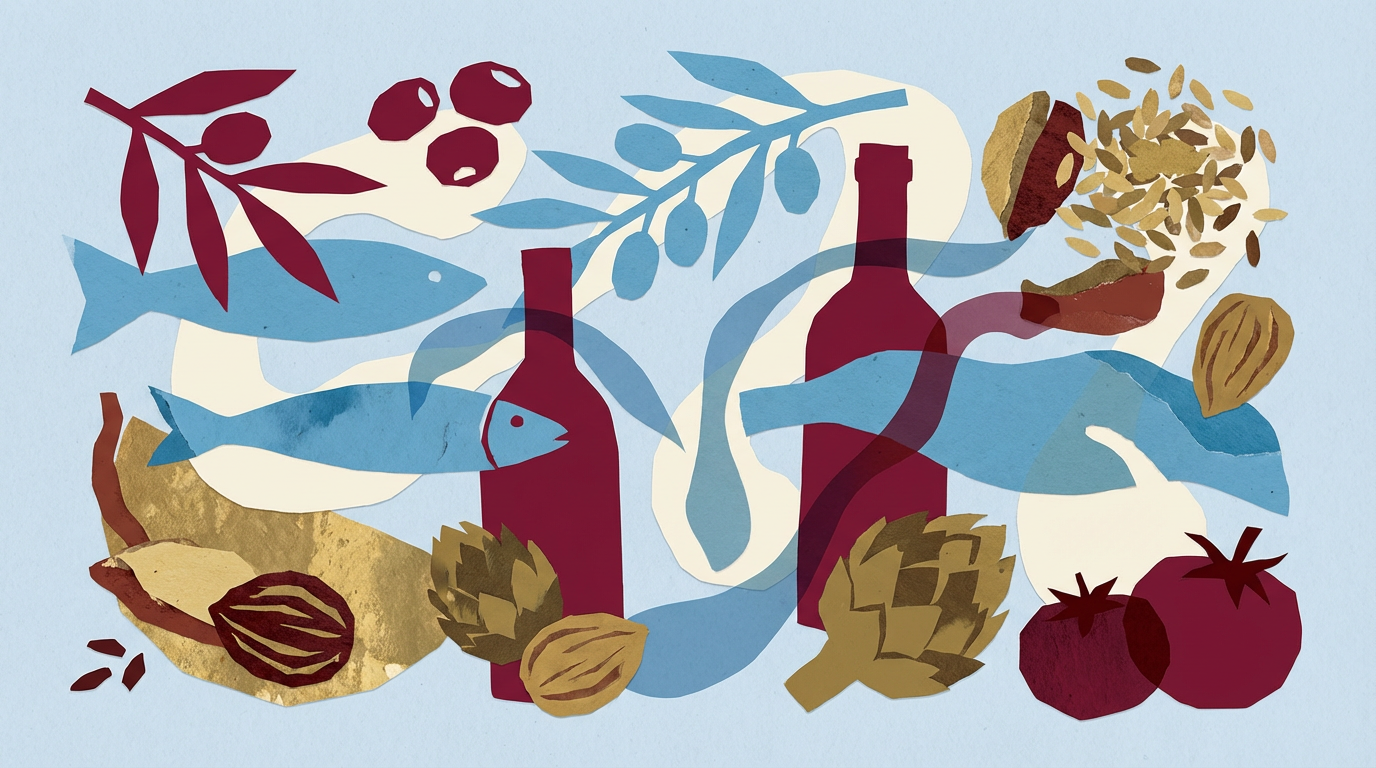
This approach emphasises:
- Abundant vegetables and fruits – aim for variety and colour
- Whole grains – brown rice, quinoa, oats, and whole wheat bread
- Healthy fats – extra virgin olive oil, avocados, nuts, and seeds
- Lean proteins – fish (especially oily fish), legumes, and poultry
- Limited red meat and processed foods
Research indicates the Mediterranean diet has a cardioprotective effect for women during the menopausal transition, though benefits are most pronounced with high adherence [2].
Foods That May Help Hot Flushes
Hot flushes and mood changes are among the most common complaints during menopause. While individual responses vary, certain foods show promise for symptom management.
Phytoestrogen-Rich Foods
Phytoestrogens are plant compounds that can act as weak oestrogens in your body. Foods containing these compounds include:
- Soy products – tofu, tempeh, edamame, and soy milk
- Flaxseeds – ground flaxseed can be added to smoothies or cereals
- Legumes – chickpeas, lentils, and beans
- Some wholegrains – oats and barley
Research on phytoestrogens shows mixed but promising results for symptom relief. Some studies suggest that isoflavones, a type of phytoestrogen found in soy, may be associated with potential relief from hot flushes [2]. However, more research is needed to confirm these effects.
Tip: If you're new to soy foods, introduce them gradually. Whole food sources like tofu and edamame are preferable to supplements.
Fruits and Vegetables
Studies have found that women who eat more fruits and vegetables tend to experience fewer menopausal symptoms. Diets rich in whole grains, fruits, and vegetables are associated with attenuated symptom severity and enhanced healthy ageing trajectories [2].
Dark berries may be particularly beneficial, offering antioxidants that support overall health during this transition.
Essential Nutrients for Menopause
Certain nutrients become increasingly important during and after menopause. Ensuring adequate intake through food or, when necessary, supplementation can support your health.
Calcium and Vitamin D
Bone health becomes a priority during menopause, as declining oestrogen accelerates bone loss. Current guidelines recommend daily calcium intakes of 700–1,200 mg for women aged 50 and over [2]. Good sources include:
- Dairy products (milk, yoghurt, cheese)
- Fish with edible bones (sardines, canned salmon)
- Fortified plant milks
- Leafy green vegetables (kale, bok choy)
- Tofu made with calcium sulphate
Vitamin D is essential for calcium absorption. Guidelines suggest 400–600 IU daily for older adults, increasing to 800–1,000 IU for those with limited sun exposure [2].
Protein
Adequate protein is crucial for maintaining muscle mass, which naturally decreases during menopause. Research recommends daily protein intake of 1–1.2 g per kilogram of body weight during this life stage [1]. Good sources include:
- Lean poultry and fish
- Legumes and pulses
- Eggs
- Greek yoghurt
- Nuts and seeds
Omega-3 Fatty Acids
Higher omega-3 fatty acid levels are associated with better health among postmenopausal women [2]. Include oily fish (salmon, mackerel, sardines) twice weekly, along with plant sources like walnuts, chia seeds, and flaxseeds.
Managing Weight Through Nutrition
Weight gain is a common concern during menopause. Rather than restrictive dieting, focus on nutrient-dense foods that support satiety and overall health.
Practical Strategies
- Prioritise protein at each meal to help maintain muscle mass and feel fuller longer
- Include fibre-rich foods like vegetables, whole grains, and legumes for digestive health and blood sugar stability
- Practice mindful eating – pay attention to hunger and fullness cues
- Stay well hydrated – sometimes thirst masquerades as hunger
If you're finding weight management challenging, Emsee's menopause weight management program offers personalised support from nutritionists and GPs.
Foods to Limit or Avoid
Some foods and beverages may trigger or worsen menopause symptoms. Consider moderating:
- ded sugars and refined carbohydrates – can cause blood sugar fluctuations affecting mood and energy
- Excessive caffeine – may trigger hot flushes and disrupt sleep difficulties
- Alcohol – can worsen hot flushes and interfere with sleep quality
- Highly processed foods – often high in sodium, unhealthy fats, and additives
- Spicy foods – may trigger hot flushes in some women
Tip: Keep a food diary for a few weeks to identify your personal triggers. What affects one woman may not affect another.
Getting Started with Your Menopause Diet
Changing your eating habits doesn't need to be overwhelming. Start with small, sustainable adjustments:
- Add before you subtract – focus on including more vegetables, fruits, and whole grains rather than fixating on what to remove
- Plan your meals – having nutritious options ready makes healthy choices easier
- Stay flexible – perfection isn't the goal; consistency matters more
- Seek support – working with a healthcare professional can help personalise your approach
If you're looking for comprehensive menopause support that includes nutritional guidance alongside medical care, telehealth consultations can provide convenient access to GPs and nutritionists who understand this life stage.
Frequently Asked Questions
Can diet alone manage menopause symptoms?
Diet is one component of a holistic approach to menopause management. While strategic nutrition choices may help reduce symptom intensity, many women benefit from combining dietary changes with other lifestyle modifications or medical treatments. Your healthcare provider can help determine what combination suits your individual needs.
How quickly will dietary changes help my symptoms?
Individual responses vary considerably. Some women notice improvements within a few weeks, while others may take several months of consistent dietary changes to observe benefits. Patience and consistency are key.
Should I take supplements during menopause?
While obtaining nutrients from food is generally preferred, some women may benefit from supplements, particularly calcium and vitamin D. Discuss supplementation with your healthcare provider before starting, as they can assess your individual requirements.
Conclusion
A thoughtful approach to nutrition during menopause can support your overall wellbeing and may help manage symptoms like hot flushes, mood changes, and weight fluctuations. The Mediterranean dietary pattern, rich in vegetables, whole grains, healthy fats, and lean proteins, offers a well-researched framework for eating during this life stage.
Remember that menopause affects everyone differently. What works for one woman may not suit another. If you're struggling to manage symptoms or want personalised guidance, speaking with a healthcare professional who understands menopause can make a significant difference.
This information is for educational purposes only and is not medical advice. Consult your healthcare provider for personalised recommendations. Treatment decisions should be individualised based on your medical history and circumstances.
References
- Erdélyi, A., Pálfi, E., Tűű, L., Nas, K., Szűcs, Z., Török, M., Jakab, A., & Várbiró, S. (2023). The importance of nutrition in menopause and perimenopause—A review. Nutrients, 16(1), 27. https://doi.org/10.3390/nu16010027
- Liu, Y., & Guo, Z. (2025). Dietary interventions and nutritional strategies for menopausal health: A mini review. Frontiers in Nutrition, 12, 1702105. https://doi.org/10.3389/fnut.2025.1702105
- Gonçalves, C., Moreira, H., & Santos, R. (2024). Systematic review of Mediterranean diet interventions in menopausal women. AIMS Public Health, 11(1), 110–129. https://doi.org/10.3934/publichealth.2024005