










Perimenopause anxiety affects more than half of midlife women due to fluctuating oestrogen and progesterone levels that disrupt mood-regulating neurotransmitters. Evidence-based strategies including lifestyle changes, mind-body practices, cognitive behavioural therapy, and personalised hormone therapy can help you find calm during this transition.
If you've noticed a creeping sense of worry that wasn't there before, racing thoughts that wake you at 3am, or a tightness in your chest that appears without warning, you're not alone. Anxiety during perimenopause is one of the most common yet least discussed symptoms of midlife hormonal change. Research shows that more than half of women experience new or worsening anxiety symptoms during this transition [1]. The good news? Understanding why this happens is the first step toward finding effective relief. Your feelings are valid, and there are proven strategies to help you regain your sense of calm.
Why Perimenopause Triggers Anxiety
Perimenopause marks the years leading up to menopause when your reproductive hormones begin shifting. This transition typically begins in your 40s and can last anywhere from two to ten years. During this time, oestrogen and progesterone levels don't simply decline steadily—they fluctuate unpredictably, creating a hormonal rollercoaster that affects your brain.
The Oestrogen-Mood Connection
Oestrogen plays a crucial role in regulating serotonin, dopamine, and noradrenaline—the neurotransmitters responsible for mood stability and emotional wellbeing. When oestrogen levels drop and spike erratically during perimenopause, these neurotransmitter systems become disrupted.
Progesterone, which typically has a calming effect on the brain through its interaction with GABA receptors, also declines during perimenopause. This reduction can weaken your brain's natural calming system, making you more susceptible to feelings of nervousness and unease.
The Cortisol Factor
Higher levels of cortisol, the stress hormone that naturally increases with age, compound the problem. When your hormones are already in flux, elevated cortisol can intensify anxious feelings and make it harder to recover from stressful situations.
Research suggests that women in early perimenopause have a significantly higher likelihood of developing anxiety compared to premenopausal women, even when accounting for other factors [2]. Understanding this biological basis can be reassuring—your anxiety isn't a personal failing; it's a physiological response to significant hormonal changes.
Understanding the Symptoms
Perimenopause anxiety can manifest differently than the anxiety you may have experienced earlier in life. Common symptoms include:
- Racing thoughts or an inability to 'switch off' your mind
- Physical sensations such as heart palpitations, sweating, or trembling
- Sleep disturbances, including difficulty falling asleep or waking in the early hours
- Increased irritability or feeling 'on edge'
- Difficulty concentrating or making decisions
- A sense of dread or worry that feels disproportionate to circumstances
Many women report that their anxiety intensifies in the days before their period, as premenstrual hormonal shifts overlap with perimenopausal changes. Others find their symptoms worse at night, particularly when combined with hot flushes and night sweats that disrupt restorative sleep.
The Overlap with Other Symptoms
Perimenopause anxiety rarely exists in isolation. It often intertwines with other symptoms including mood changes, brain fog, fatigue, and vasomotor symptoms. This overlap can make it challenging to identify the root cause of how you're feeling, which is why a comprehensive assessment is important.
Risk Factors: Who Is Most Affected?
While any woman can experience perimenopause anxiety, certain factors may increase your vulnerability:
- Previous mental health history: Women with a prior diagnosis of anxiety or depression face higher risk during perimenopause. Research consistently shows that previous mental health conditions are among the strongest predictors of mood symptoms during this transition [1].
- Family history: A family history of mood disorders may increase susceptibility.
- Life stressors: Major life changes, chronic stress, or adverse childhood experiences can amplify symptoms.
- Sleep disruption: Poor sleep quality, often caused by night sweats, creates a feedback loop that worsens anxiety.
However, protective factors also play a role. Studies demonstrate that women with higher psychological resilience report significantly fewer anxiety symptoms and better quality of life during perimenopause, regardless of hormone levels [1].
Finding Calm: Evidence-Based Strategies
The good news is that multiple evidence-based approaches can help manage perimenopause anxiety. The most effective strategy often combines several methods tailored to your individual needs.
Lifestyle Foundations
Movement: A 2025 meta-analysis of 21 studies found that low-to-moderate intensity exercise produces 'remarkable improvements' in managing both menopausal anxiety and depression [4]. Regular physical activity supports neurotransmitter balance, improves sleep quality, and provides a healthy outlet for stress.
Sleep hygiene: Prioritising sleep is essential, as disrupted sleep and anxiety form a vicious cycle. Keeping your bedroom cool, maintaining consistent sleep times, and limiting caffeine and alcohol can all help.
Nutrition: A balanced diet rich in omega-3 fatty acids, whole grains, and leafy greens supports brain health. Stable blood sugar levels also help prevent mood fluctuations.
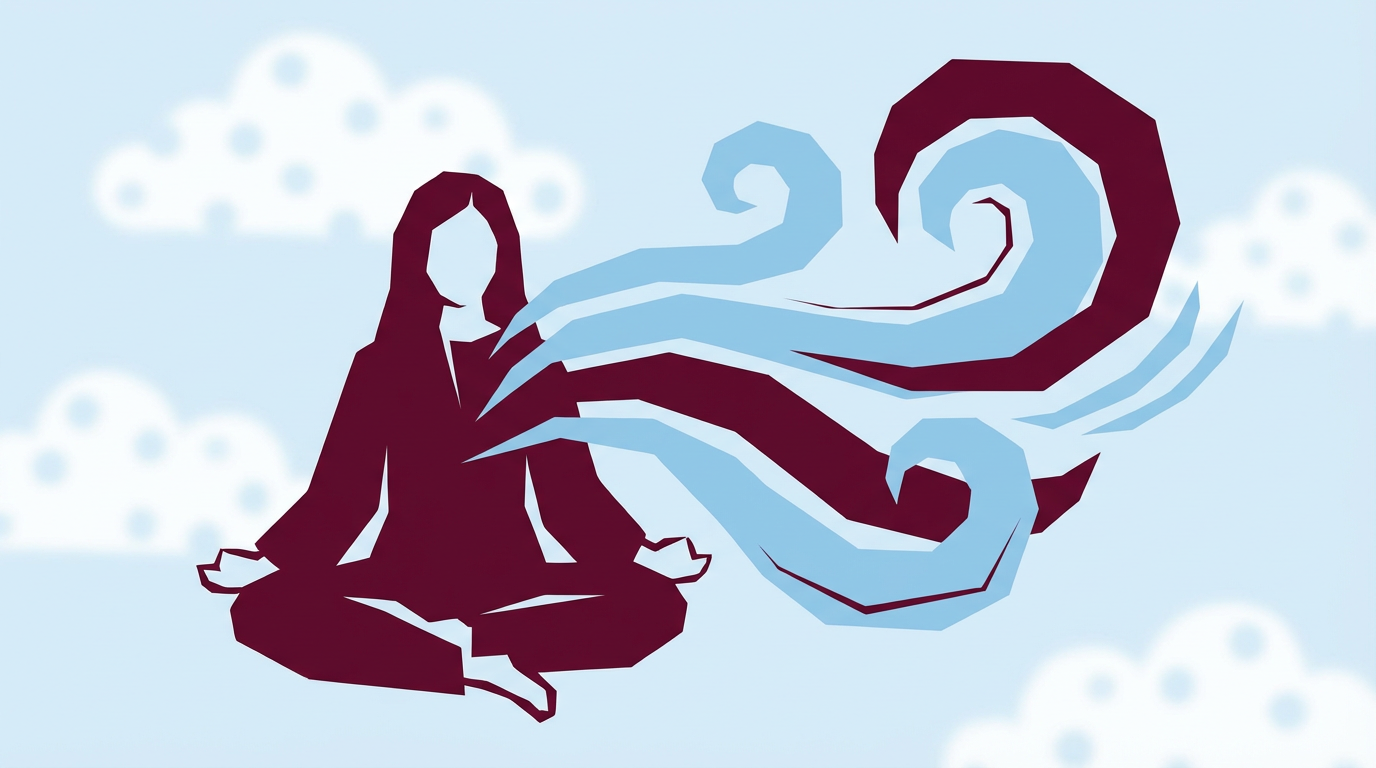
Mind-Body Practices
Research shows that practices such as yoga, tai chi, and meditation can significantly ease anxiety during the menopausal transition [3]. Mindfulness-based stress reduction (MBSR) has been specifically studied in menopausal women, with results showing significant improvements in anxiety symptoms and overall wellbeing [3].
Even simple breathing exercises practised for a few minutes daily can activate your parasympathetic nervous system and reduce the physical symptoms of anxiety.
Cognitive Behavioural Therapy
Cognitive behavioural therapy (CBT) is considered the gold standard for treating anxiety, including anxiety that arises during perimenopause. CBT helps you identify and change negative thought patterns, develop coping strategies, and address the specific triggers that affect you. It can be particularly effective for managing nighttime anxiety and panic symptoms.
Hormone Therapy Options
A 2025 systematic review examined hormone therapy's effects on anxiety in midlife women. While the research found that menopausal hormone therapy (MHT) does not consistently reduce anxiety across all women, modest benefits were noted in perimenopausal or early postmenopausal women who were symptomatic and within a few years of their final period.
Importantly, hormone therapy may help anxiety indirectly by addressing other symptoms. If hot flushes and night sweats are disrupting your sleep and contributing to anxiety, treating these symptoms with MHT may improve your overall wellbeing.
Important: Hormone therapy is not suitable for everyone. Your doctor will assess whether it's appropriate based on your individual health history, symptoms, and risk factors.
When to Seek Professional Support
While some anxiety during perimenopause is common, certain signs indicate you should seek professional support:
- Anxiety that interferes with your daily routine, work, or relationships
- Persistent difficulty sleeping despite trying self-help strategies
- Physical symptoms that are severe or concerning
- Feelings of hopelessness or thoughts of self-harm (seek urgent help)
- Symptoms that don't improve with lifestyle changes
Speaking with a healthcare provider who understands menopause symptoms can help you get an accurate assessment. Other conditions, such as thyroid disorders, can mimic anxiety symptoms, so ruling out other causes is important.
Frequently Asked Questions
How long does perimenopause anxiety last?
Perimenopause anxiety can last from several months to several years, depending on how long your transition takes. Symptoms tend to be most intense when hormones are fluctuating most rapidly, typically in late perimenopause. Many women find their anxiety decreases once menopause is reached and hormone levels stabilise, though this varies from person to person.
Can perimenopause cause anxiety even if I've never had it before?
Yes. Research shows that women who have never experienced significant anxiety before can develop symptoms during perimenopause due to hormonal changes affecting neurotransmitter function [2]. The Study of Women's Health Across the Nation found that even women with low baseline anxiety were more likely to experience heightened anxiety during the perimenopausal transition.
Will hormone therapy definitely help my anxiety?
Not necessarily. While some women experience significant improvement in anxiety with MHT, research shows the benefits vary considerably. Those most likely to benefit are symptomatic women in early perimenopause or postmenopause. Treatment decisions should be individualised based on your specific circumstances, symptoms, and health history.
Conclusion
Perimenopause anxiety is a real, physiologically-driven experience that affects millions of women. Understanding that fluctuating hormones disrupt your brain's mood-regulating systems can help you feel less alone in this experience. The good news is that effective strategies exist—from lifestyle changes and mind-body practices to therapy and, where appropriate, personalised hormone therapy.
You don't have to navigate this journey alone. With the right support, you can find calm and feel like yourself again. If you're experiencing perimenopause anxiety and want to explore your options, consider speaking with a healthcare provider who specialises in comprehensive menopause care.
This information is for educational purposes only and is not medical advice. Consult your healthcare provider for personalised recommendations. Treatment decisions should be individualised based on your medical history and circumstances.
References
- Zhang, Y., Hu, T. T., Cheng, Y. R., Zhang, Z. F., & Su, J. (2025). Global, regional, and national burden of anxiety disorders during the perimenopause (1990–2021) and projections to 2035. BMC Women's Health, 25(1), 11. https://doi.org/10.1186/s12905-025-03547-z
- Bromberger, J. T., Kravitz, H. M., Chang, Y., Randolph, J. F., Avis, N. E., Gold, E. B., & Matthews, K. A. (2013). Does risk for anxiety increase during the menopausal transition? Study of Women's Health Across the Nation. Menopause, 20(5), 488–495. https://doi.org/10.1097/GME.0b013e3182730599
- Huang, S., Wang, Z., Zheng, D., & Liu, L. (2023). Anxiety disorder in menopausal women and the intervention efficacy of mindfulness-based stress reduction. American Journal of Translational Research, 15(3), 2016–2024.
- Yue, H., Yang, Y., Xie, F., Cui, J., Li, Y., Si, M., Li, S., & Yao, F. (2025). Effects of physical activity on depressive and anxiety symptoms of women in the menopausal transition and menopause: A comprehensive systematic review and meta-analysis of randomized controlled trials. International Journal of Behavioral Nutrition and Physical Activity, 22(1), 13. https://doi.org/10.1186/s12966-025-01712-z