







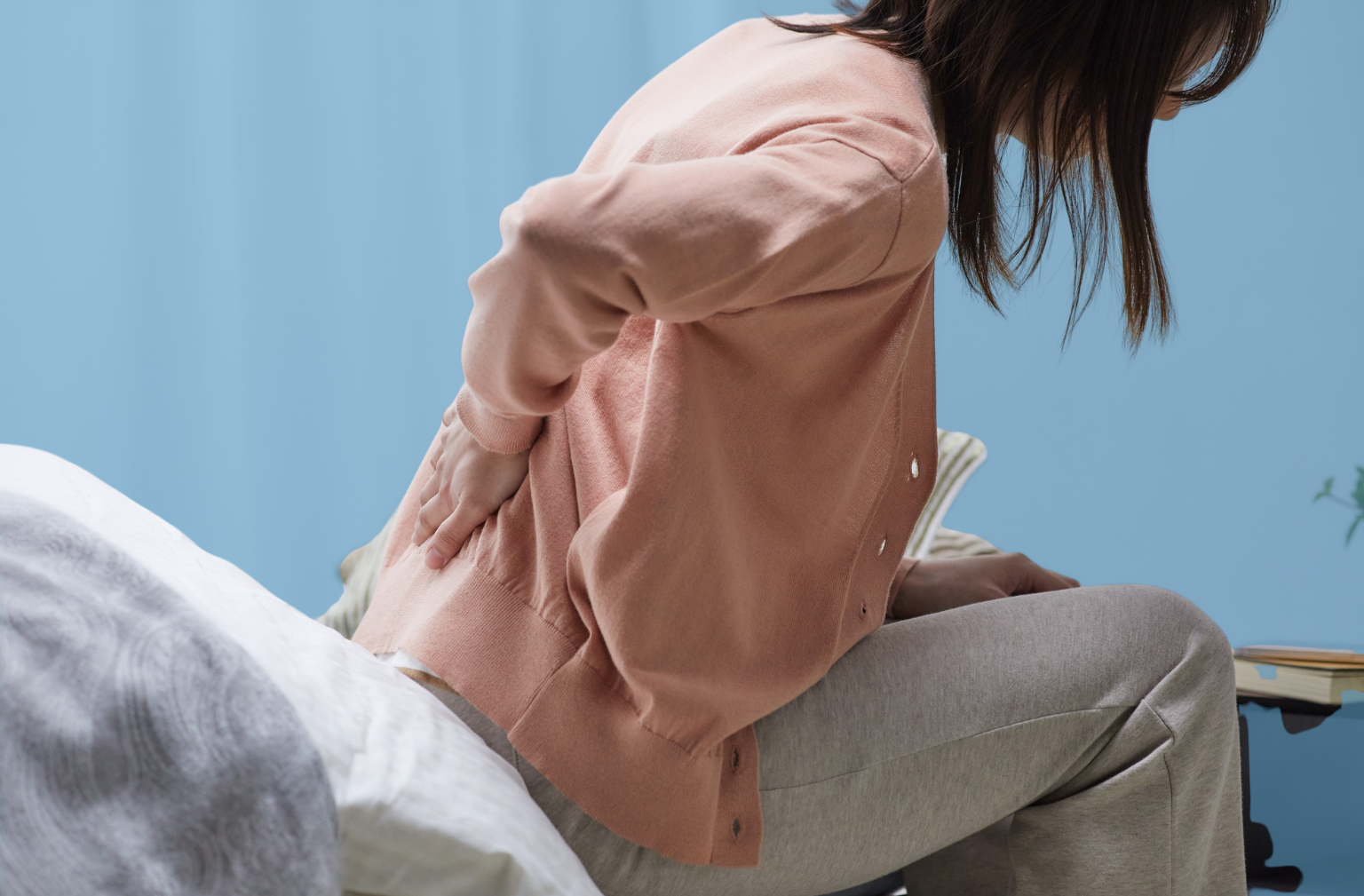
Joint pain affects up to 70% of women during menopause, primarily due to declining oestrogen levels. Evidence-based treatments include movement, anti-inflammatory nutrition, and menopausal hormone therapy (MHT) where appropriate. Treatment should be individualised based on your symptoms and health history.
If you've noticed more aches, stiffness, or joint pain since entering perimenopause or menopause, you're not alone. Research suggests that up to 70% of women experience musculoskeletal symptoms during the menopausal transition [1]. Yet despite being so common, joint pain often goes unrecognised as a menopause symptom.
The good news? Understanding why your body aches can help you find relief. This guide explores the connection between hormones and joint health, when to seek help, and what treatments may support you on your journey.
Why Menopause Causes Joint Pain
The Role of Oestrogen in Joint Health
Oestrogen does far more than regulate your menstrual cycle. Your joints, muscles, bones, and tendons all contain oestrogen receptors, meaning they respond directly to changes in hormone levels [1].
When oestrogen levels decline during perimenopause and menopause, several things happen:
- Reduced anti-inflammatory protection: Oestrogen has natural anti-inflammatory properties. As levels drop, inflammation in your joints may increase.
- Decreased collagen production: Collagen gives structure and elasticity to cartilage, tendons, and ligaments. Lower oestrogen means less collagen.
- Changes in synovial fluid: This fluid lubricates your joints. Declining oestrogen may reduce its production, leading to drier, stiffer joints.
- Accelerated cartilage changes: Oestrogen helps maintain joint tissue health. Without adequate levels, cartilage may become more vulnerable to wear.
Research shows that joint pain and stiffness are significantly more common in postmenopausal women compared to premenopausal women, independent of age alone [1]. This suggests hormonal changes, rather than simply getting older, play a key role.
Other Contributing Factors
Hormones aren't the only factor. Several other changes during midlife can contribute to joint discomfort:
- Sarcopenia: Loss of muscle mass that often accompanies ageing can place more stress on joints [3].
- Weight gain: Extra weight puts additional pressure on weight-bearing joints like knees, hips, and lower back.
- Reduced activity: Pain can lead to less movement, which creates a cycle of stiffness and weakness.
- Sleep disruption: Poor sleep affects tissue repair and can lower pain tolerance.
What Menopause Joint Pain Feels Like
Unlike inflammatory arthritis, which typically causes visible swelling, menopause-related joint pain often presents differently. Women commonly describe:
- Widespread aching: Pain in multiple joints rather than just one area
- Morning stiffness: Joints that feel stiff and tight, especially after rest
- Dull or achy sensations: Rather than sharp or burning pain
- No obvious swelling: Joints may hurt without visible inflammation
- Fluctuating symptoms: Pain that comes and goes, sometimes related to other menopause symptoms
Common areas affected include the hands, wrists, shoulders, knees, hips, and lower back. Some women experience specific conditions like frozen shoulder, which research suggests may be more common around menopause [2].
Ruling Out Other Causes
Before attributing joint pain to menopause, it's important to rule out other conditions. Many health issues are more common in midlife and can cause similar symptoms.
Your GP may want to investigate:
- Osteoarthritis: Wear-and-tear arthritis that becomes more common with age
- Rheumatoid arthritis: An autoimmune condition that can begin in midlife
- Thyroid disorders: Both under and overactive thyroid can cause joint pain
- Vitamin D deficiency: Common in Australia despite our sunshine, and linked to musculoskeletal pain
- Other autoimmune conditions: Some present around the time of menopause
A diagnosis of menopause-related joint pain is often made after excluding these conditions, particularly when other menopause symptoms are present. If you're also experiencing hot flushes, sleep issues, or mood changes, this supports the hormonal connection.
Tip: Keep a symptom diary noting when joint pain occurs, which joints are affected, and any patterns you notice. This information helps your healthcare provider make an accurate assessment.
Movement and Exercise for Joint Health
Regular movement is one of the most effective treatments for menopause-related joint pain. While it may seem counterintuitive to exercise when you're sore, the right type of activity can significantly reduce stiffness and discomfort.

Why Exercise Helps
- Strengthens supporting muscles: Strong muscles take pressure off joints
- Improves joint lubrication: Movement increases synovial fluid production
- Reduces inflammation: Regular activity has anti-inflammatory effects
- Releases natural pain relief: Exercise triggers endorphin release
- Maintains bone density: Important for overall musculoskeletal health
Best Types of Exercise
Resistance training is particularly valuable during menopause. Building and maintaining muscle mass protects joints and counteracts sarcopenia. Start with bodyweight exercises or light weights and gradually progress.
Low-impact options protect joints while providing benefits:
- Swimming and water aerobics
- Walking
- Cycling
- Pilates
- Yoga
- Tai chi
Aim for at least 150 minutes of moderate activity weekly, plus two sessions of resistance training. If you're new to exercise or managing significant pain, consider working with a physiotherapist to develop a safe, effective programme.
Nutrition and Lifestyle Approaches
What you eat can influence inflammation and joint comfort. An anti-inflammatory eating pattern may help manage symptoms.
Anti-Inflammatory Foods
- Omega-3 fatty acids: Found in oily fish (salmon, sardines, mackerel), walnuts, and flaxseeds
- Colourful vegetables and fruits: Rich in antioxidants that combat oxidative stress
- Extra virgin olive oil: Contains oleocanthal, which has anti-inflammatory properties
- Nuts and seeds: Provide healthy fats and minerals
- Legumes and whole grains: Support gut health and reduce inflammation
The Mediterranean diet pattern incorporates many of these foods and has been associated with reduced inflammation and improved menopause symptoms.
Foods to Limit
- Highly processed foods
- Excess sugar and refined carbohydrates
- Excessive alcohol
- Trans fats and processed seed oils
Supplements to Consider
Some women find benefit from joint-supporting supplements, though evidence varies:
- Vitamin D: Essential for bone and muscle health; many Australians are deficient
- Omega-3 fish oil: May help reduce inflammation
- Glucosamine and chondroitin: Research shows mixed results, but some women report improvement
- Collagen peptides: May support joint tissue
Always discuss supplements with your healthcare provider, especially if you take medications.
Medical Treatment Options
Menopausal Hormone Therapy (MHT)
While MHT is not typically prescribed solely for joint pain, research from the Women's Health Initiative found that women receiving hormone therapy experienced greater relief from joint symptoms compared to those on placebo [1]. Several studies suggest modest improvement in joint pain and reduced incidence of new musculoskeletal symptoms with MHT [2].
If you're experiencing multiple menopause symptoms alongside joint pain, MHT may offer broader benefits. Treatment decisions should be individualised based on your symptoms, health history, and personal preferences. Body-identical hormone therapy using transdermal oestrogen and micronised progesterone is generally preferred where appropriate.
Important: Hormone therapy is not suitable for everyone. Your doctor will assess whether it's appropriate based on your individual health history, symptoms, and risk factors. Individual results may vary.
Other Medical Options
For targeted joint relief, your doctor may suggest:
- Topical anti-inflammatory gels: Applied directly to painful joints
- Oral anti-inflammatory medications: Used short-term for flares
- Physical therapy: Targeted exercises for specific problem areas
- Joint injections: For severe, localised pain that hasn't responded to other treatments
There is no role for corticosteroids or immunosuppressive medications in treating menopause-related joint pain, as it is not an inflammatory arthritis condition.
When to Seek Help
See your GP if you experience:
- Joint pain that persists despite lifestyle changes
- Significant morning stiffness lasting more than 30 minutes
- Joint swelling, redness, or warmth
- Pain that severely limits your daily activities
- Unexplained weight loss or fever alongside joint symptoms
- Pain in just one joint (this may indicate a different cause)
Early assessment helps rule out other conditions and ensures you receive appropriate treatment.
Frequently Asked Questions
Does menopause joint pain go away?
For many women, joint pain improves after the menopause transition stabilises, though this varies. Lifestyle measures like regular exercise and anti-inflammatory nutrition can help manage symptoms long-term. Some women find that hormone therapy provides relief during the transition.
Which joints are most affected by menopause?
Joint pain during menopause commonly affects the hands, wrists, shoulders, knees, hips, and lower back. Unlike inflammatory arthritis, it typically involves multiple joints rather than isolated areas.
Can low oestrogen cause joint inflammation?
Oestrogen has natural anti-inflammatory properties, so declining levels may contribute to increased inflammation in some women. However, menopause-related joint pain is generally not a destructive inflammatory process like rheumatoid arthritis.
Will exercise make my joint pain worse?
The right type of exercise typically improves joint pain, not worsens it. Start gently with low-impact activities and gradually build up. Resistance training is particularly beneficial for supporting joint health during menopause.
Conclusion
Joint pain during menopause is incredibly common, yet often overlooked. Understanding that declining oestrogen affects your joints, not just your menstrual cycle, can help you seek appropriate support and treatment.
The most effective approach combines regular movement, anti-inflammatory nutrition, and medical treatment where appropriate. You don't have to simply accept aching joints as an inevitable part of ageing.
If joint pain is affecting your quality of life, consider speaking with a healthcare provider who understands menopause symptoms and can offer comprehensive menopause care. With the right support, you can feel more like yourself again.
This information is for educational purposes only and is not medical advice. Consult your healthcare provider for personalised recommendations. Treatment decisions should be individualised based on your medical history and circumstances.
References
- Manno, R. L. (2026). Joint pain and menopause. Menopause, 33(3), 358-360. https://doi.org/10.1097/GME.0000000000002756
- Watt, F. E. (2018). Musculoskeletal pain and menopause. Post Reproductive Health, 24(1), 34-43. https://doi.org/10.1177/2053369118757537
- Blumer, J. (2023). Arthralgia of menopause - A retrospective review. Post Reproductive Health, 29(2), 95-97. https://doi.org/10.1177/20533691231172565