










A perimenopause diet rich in protein, omega-3 fatty acids, phytoestrogens, and calcium may help manage symptoms like hot flushes, mood changes, and weight gain. The Mediterranean diet pattern, emphasising vegetables, healthy fats, and lean protein, shows consistent benefits for women during this transition.
Perimenopause marks a significant transition in a woman's life, often bringing symptoms that can feel overwhelming. The good news? What you eat can make a real difference. Research increasingly shows that dietary choices may help support hormonal balance, reduce uncomfortable symptoms, and protect your long-term health during this stage. In this article, we explore the evidence behind a perimenopause diet and share practical strategies to help you feel more like yourself again.
Understanding Perimenopause and Your Changing Body
Perimenopause typically begins in a woman's early to mid-40s and can last anywhere from a few years to over a decade before menopause. During this time, oestrogen and progesterone levels fluctuate unpredictably, leading to a range of menopause symptoms that affect each woman differently.
These hormonal shifts don't just affect your reproductive system. They influence your metabolism, bone health, cardiovascular system, and even your mood. A 2023 review in Nutrients notes that menopause is associated with increased prevalence of obesity, metabolic syndrome, cardiovascular diseases, and osteoporosis [1]. The researchers emphasise that these conditions can be significantly improved by eliminating dietary risk factors.
Why Your Metabolism Changes
During perimenopause, basal metabolic rate (BMR) may decrease by up to 250–300 kcal per day [1]. This metabolic shift, combined with hormonal changes, means the dietary habits that worked in your 30s may no longer serve you well. Research suggests that 60 to 70 per cent of women experience weight gain through perimenopause and early menopause.
Foods That Support Hormonal Balance During Perimenopause
A well-planned perimenopause diet focuses on nutrient-dense foods that may help manage symptoms and support overall health. Recent research synthesising 42 high-quality studies found that certain dietary patterns consistently benefit women during this transition [2].
The Mediterranean Diet Approach
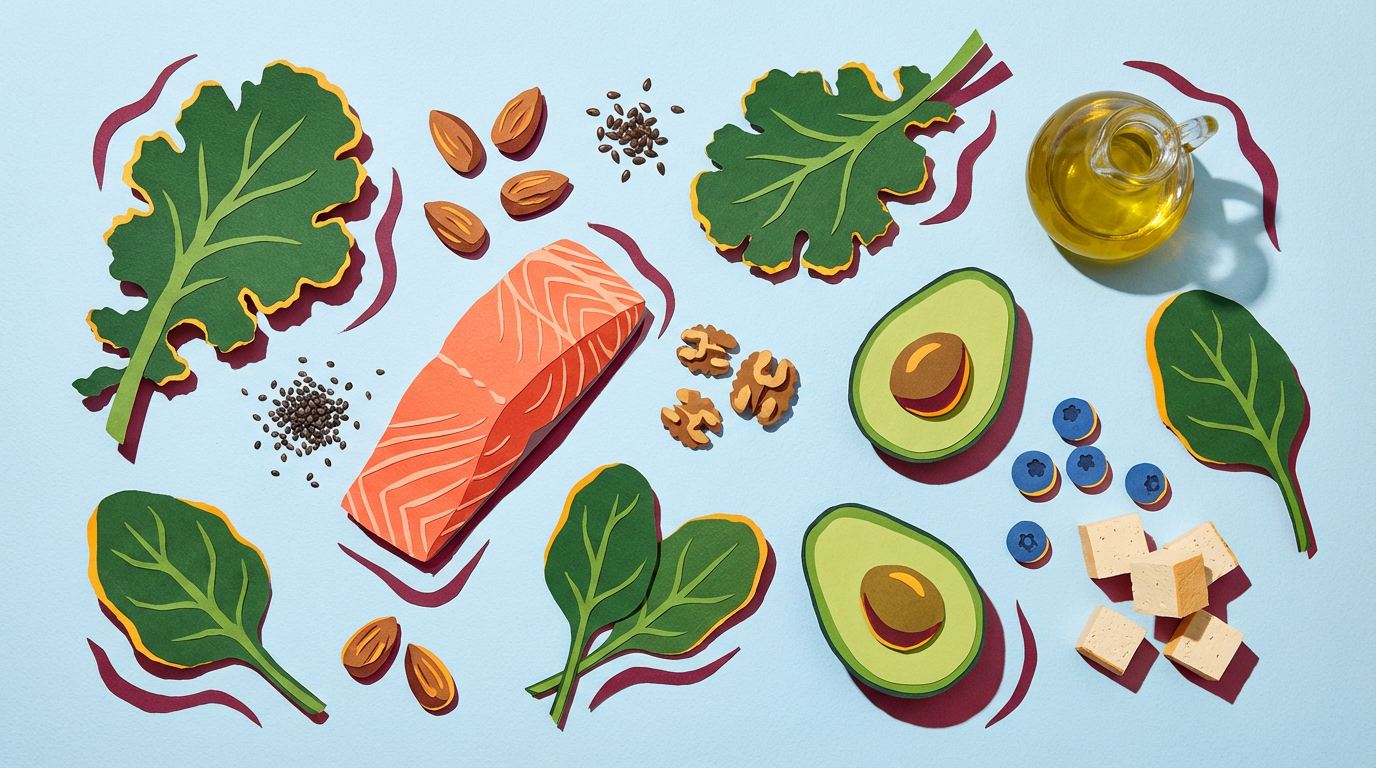
The Mediterranean diet has emerged as one of the most studied and beneficial eating patterns for perimenopausal women. Characterised by abundant vegetables, fruits, whole grains, olive oil, fish, and moderate amounts of lean protein, this pattern offers anti-inflammatory and antioxidant benefits.
Research indicates the Mediterranean diet 'consistently demonstrates clinically meaningful reductions in blood pressure and triglyceride concentrations' in menopausal women [2]. Plant-based eating patterns rich in these foods are also associated with fewer hot flushes and improved quality of life.
Phytoestrogen-Rich Foods
Phytoestrogens are plant compounds that have a mild oestrogen-like effect in the body. They may help ease symptoms when your own oestrogen levels are declining. Key sources include:
- Soy foods: Tofu, tempeh, edamame, and miso contain isoflavones that may reduce hot flushes. Research suggests approximately 20 mg per day of soy isoflavones may help [1].
- Flaxseeds: These contain lignans with antioxidant and anti-inflammatory properties. Adding 1.5 tablespoons of ground flaxseed daily has been linked to symptom reduction.
- Legumes: Chickpeas, lentils, and beans provide plant-based protein along with phytoestrogens.
Important: While phytoestrogens show promise, the scientific community has not reached consensus on all their effects. Food sources are generally preferred over supplements.
Key Nutrients for Your Perimenopause Diet
Certain nutrients become particularly important during perimenopause to support bone health, muscle mass, and emotional wellbeing.
Protein for Muscle Maintenance
Muscle mass naturally decreases during perimenopause, making adequate protein intake essential. Current recommendations suggest women should aim for 1.0–1.2 grams of protein per kilogram of body weight daily, with those exercising regularly potentially benefiting from up to 1.5 g/kg [1][2].
Quality protein sources include:
- Lean poultry and fish
- Eggs
- Greek yoghurt
- Legumes and tofu
- Nuts and seeds
Calcium and Vitamin D for Bone Health
Declining oestrogen accelerates bone mineral loss, increasing osteoporosis risk. A perimenopause diet should include:
- Calcium: 1,000–1,200 mg daily from dairy, fortified plant milks, leafy greens, and tinned fish with bones
- Vitamin D: Adequate sun exposure plus food sources like oily fish and eggs; supplementation of 800–2,000 IU daily may be recommended [2]
Omega-3 Fatty Acids for Brain and Heart Health
Omega-3s help manage inflammation and may support mood changes, brain function, and cardiovascular health during perimenopause. Include fatty fish (salmon, sardines, mackerel) twice weekly, along with walnuts, chia seeds, and flaxseeds.
Fibre for Gut and Hormone Health
Fibre supports healthy oestrogen metabolism through efficient elimination. Aim for 30–45 grams daily from vegetables, fruits, whole grains, and legumes [1]. A healthy gut microbiome also plays a role in mood regulation and immune function.
How Diet Affects Weight During Perimenopause
Managing weight during perimenopause can feel challenging due to metabolic changes. However, focusing on weight management during menopause through nutrition rather than restrictive dieting tends to be more sustainable.
Blood Sugar Balance
Insulin sensitivity often decreases during perimenopause. Choosing complex carbohydrates over refined options helps maintain steady blood sugar levels:
- Swap white bread for wholegrain varieties
- Choose brown rice, quinoa, or sweet potato
- Pair carbohydrates with protein and healthy fats
Mindful Eating Patterns
Eating regular, balanced meals can help prevent blood sugar spikes that worsen mood swings and energy crashes. Some women find that smaller, more frequent meals work better during this transition.
Foods to Limit During Perimenopause
While no foods are strictly off-limits, some may worsen symptoms or increase health risks.
Caffeine and Alcohol
Both can trigger hot flushes and disrupt sleep. If you experience sleep disturbances, consider reducing caffeine intake, especially in the afternoon, and limiting alcohol consumption. Even moderate alcohol may interfere with sleep quality and hormonal balance.
Processed Foods and Added Sugars
Ultra-processed foods high in refined carbohydrates, added sugars, and unhealthy fats may:
- Increase inflammation
- Destabilise blood sugar
- Contribute to weight gain
- Worsen fatigue and mood swings
Excessive Sodium
High sodium intake can worsen bloating and may affect blood pressure. Focus on whole foods and flavour with herbs and spices instead.
Hydration and Your Perimenopause Diet
Staying well-hydrated becomes increasingly important as we age. Hormonal changes during perimenopause can affect your body's fluid balance. Aim for approximately 2 litres (6–8 glasses) of water daily. Adequate hydration may help reduce bloating, hot flushes, and headaches.
Frequently Asked Questions
What is the best diet for perimenopause symptoms?
Research suggests the Mediterranean diet, rich in vegetables, fruits, whole grains, healthy fats, and lean protein, may be particularly beneficial. This eating pattern provides anti-inflammatory nutrients and phytoestrogens that may help manage symptoms while supporting heart and bone health.
Can diet really help with hot flushes?
Studies indicate that plant-based diets rich in phytoestrogens (from soy foods and flaxseeds) are associated with reduced hot flush frequency. However, individual responses vary, and dietary changes work best as part of a comprehensive approach to symptom management.
How much protein should I eat during perimenopause?
Current evidence suggests 1.0–1.5 grams of protein per kilogram of body weight daily, spread across meals. This helps maintain muscle mass and may support healthy weight management during this transition.
Should I take supplements during perimenopause?
Individual needs vary based on your diet, health status, and symptoms. While a nutrient-rich diet is the foundation, some women may benefit from vitamin D, calcium, or omega-3 supplementation. It's best to discuss this with your healthcare provider who can assess your specific requirements.
Conclusion
Your perimenopause diet can be a powerful tool for supporting hormonal balance and managing symptoms during this transition. By focusing on nutrient-dense foods, adequate protein, healthy fats, and phytoestrogens while limiting processed foods and alcohol, many women find meaningful relief.
Remember, dietary changes are just one part of a holistic approach to perimenopause. Combining good nutrition with regular physical activity, quality sleep, and appropriate medical support offers the best outcomes. If you're struggling with symptoms or want personalised guidance, speaking with a healthcare professional who understands menopause can make a real difference.
At Emsee, we offer comprehensive menopause support through telehealth consultations with GPs, naturopaths, and nutritionists who can help you develop an individualised approach to your perimenopause journey.
This information is for educational purposes only and is not medical advice. Consult your healthcare provider for personalised recommendations. Treatment decisions should be individualised based on your medical history and circumstances.
References
- Erdélyi, A., Pálfi, E., Tűű, L., Nas, K., Szűcs, Z., Török, M., Jakab, A., & Varbíró, S. (2023). The importance of nutrition in menopause and perimenopause—A review. Nutrients, 16(1), 27. https://doi.org/10.3390/nu16010027
- Liu, Y.-C., & Guo, Z.-Q. (2025). Dietary interventions and nutritional strategies for menopausal health: A mini review. Frontiers in Nutrition, 12. https://doi.org/10.3389/fnut.2025.1702105