










Perimenopause weight gain differs from regular weight gain because fluctuating hormones shift where your body stores fat, increase hunger signals, and slow metabolism. Managing it requires a combination of strength training, nutrition adjustments, quality sleep, and working with healthcare providers who understand the hormonal drivers.
If you've noticed the scales creeping up despite eating and exercising the same way you always have, you're not imagining it. Many women in their 40s and early 50s experience frustrating changes to their body composition that seem to defy logic. The truth is, perimenopause weight gain is fundamentally different from the weight fluctuations you may have experienced earlier in life. Understanding why this happens is the first step toward managing it effectively.
Research shows that women between ages 45 and 55 gain an average of half a kilogram per year during the menopausal transition [1]. But here's what many women don't realise: while weight gain itself is largely driven by ageing and lifestyle factors, the hormonal changes of perimenopause specifically affect where that weight settles and how your body processes energy. This shift has real implications for your long-term health and wellbeing.
What Makes Perimenopause Weight Gain Different
The perimenopause transition typically begins in your mid-to-late 40s and can last anywhere from four to ten years. During this time, your ovaries gradually produce less oestrogen, while other hormones fluctuate unpredictably. These hormonal shifts create a perfect storm for body composition changes.
The Shift to Abdominal Fat
One of the most noticeable changes during perimenopause is where your body stores fat. Even if you've always carried weight in your hips and thighs, you may find fat redistributing to your abdomen. Research published in Women's Health Reports found that postmenopausal women gained 36% more trunk fat, 49% greater intra-abdominal fat, and 22% greater subcutaneous abdominal fat compared to premenopausal women [2].
This visceral fat, which accumulates around your internal organs, is metabolically different from the fat stored elsewhere in your body. It's linked to increased risks of cardiovascular disease, type 2 diabetes, and metabolic syndrome.
Hormonal Hunger Signals
Your appetite regulation also changes during perimenopause. Research indicates that levels of ghrelin, often called the 'hunger hormone', are higher in perimenopausal women compared to those before or after this transition. This increase in ghrelin stimulates appetite and can make it harder to maintain your usual eating patterns.
Additionally, declining oestrogen affects insulin sensitivity and how your body processes carbohydrates. Many women notice increased cravings, particularly for sugary or starchy foods, which can compound weight management challenges.
Metabolic Slowdown
As you age, your resting metabolic rate naturally decreases. This is partly due to loss of muscle mass, which occurs at a rate of approximately 3% to 8% per decade after your 30s. Since muscle tissue burns more calories than fat tissue, less muscle means fewer calories burned at rest.
The hormonal changes of perimenopause may accelerate this process. Some research suggests that oestrogen plays a role in maintaining muscle mass and metabolic rate, though the exact mechanisms remain an active area of investigation.
Health Implications of Midlife Weight Changes
Understanding the health implications helps explain why managing perimenopause weight gain matters beyond aesthetics. Higher waist circumference is an independent risk factor for cardiovascular and metabolic disease in menopausal women [3].
The accumulation of visceral fat is associated with:
- Insulin resistance and increased diabetes risk
- Higher blood pressure
- Elevated cholesterol levels
- Increased inflammation throughout the body
- Greater risk of cardiovascular events
The good news is that achieving clinically significant weight loss through lifestyle modifications may help manage both these risk factors and common menopause symptoms like hot flushes, sleep disturbances, and mood changes [1].
Evidence-Based Strategies for Managing Perimenopause Weight
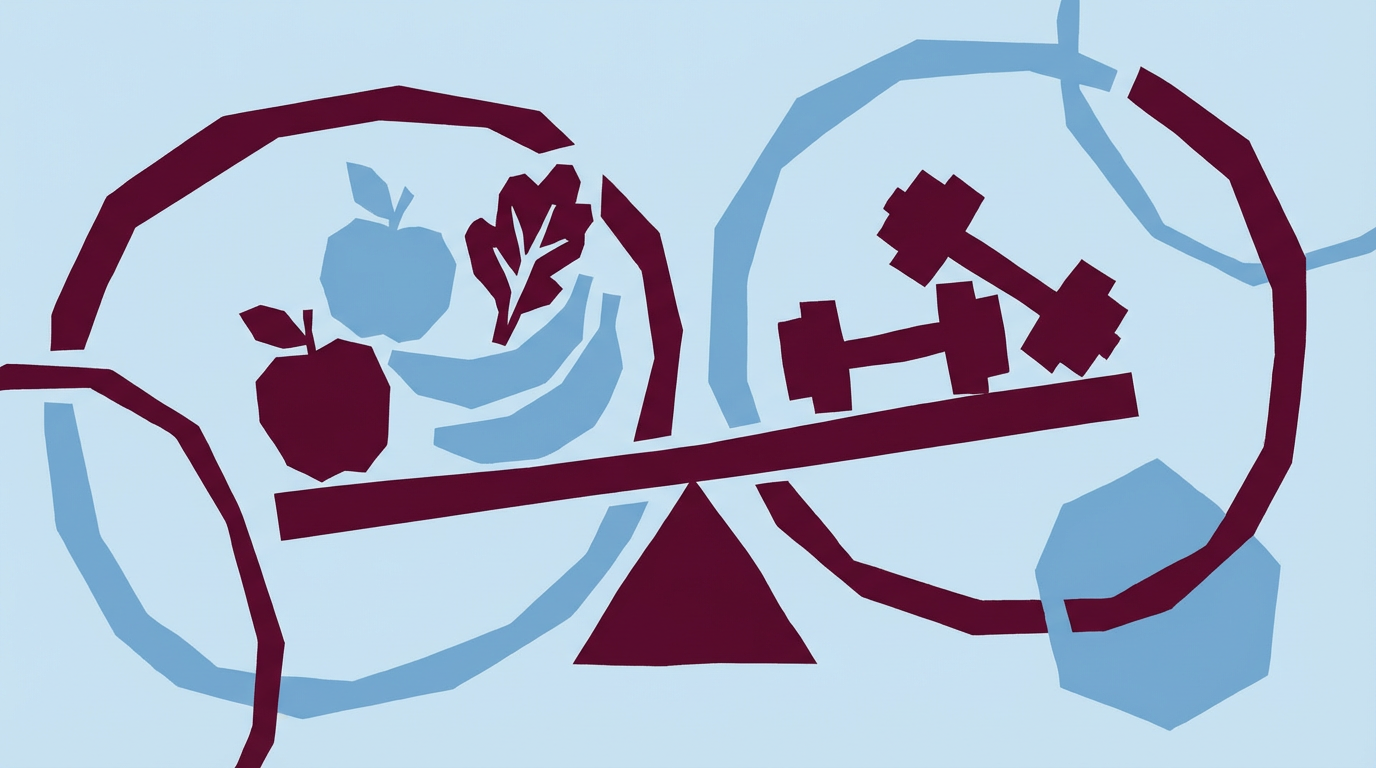
Managing weight during perimenopause requires a different approach than what may have worked in your 20s and 30s. The focus shifts from simply 'eating less and moving more' to supporting your changing metabolism and hormonal balance.
Prioritise Strength Training
While aerobic exercise remains important for heart health, strength training becomes crucial during perimenopause. Building and maintaining muscle mass helps offset the natural decline in metabolism.
Physical activity guidelines recommend muscle-strengthening exercises at least twice per week [3]. For weight management specifically, the recommendation increases to 300 minutes (five hours) of moderate-intensity physical activity weekly.
The benefits extend beyond burning calories:
- Increased muscle mass raises your resting metabolic rate
- Strength training improves insulin sensitivity
- Weight-bearing exercise supports bone density, reducing osteoporosis risk
- Resistance exercise may help reduce visceral fat specifically
Adapt Your Nutrition Approach
Rather than restrictive dieting, focus on eating patterns that support hormonal balance and satiety. The Mediterranean diet has shown particular benefits for menopausal women, including lower risks of cardiovascular disease and metabolic syndrome.
Key nutritional strategies include:
- Adequate protein: Aim for protein at each meal to support muscle maintenance and improve satiety
- Fibre-rich foods: Vegetables, whole grains, and legumes help regulate blood sugar and support gut health
- Healthy fats: Omega-3 fatty acids from fish, nuts, and seeds may support hormonal balance
- Limiting processed foods: Highly processed foods can trigger blood sugar spikes and increase cravings
Address Sleep and Stress
Poor sleep is common during perimenopause due to night sweats and hormonal fluctuations. Unfortunately, inadequate sleep directly affects weight management by increasing hunger hormones and reducing willpower around food choices.
Chronic stress elevates cortisol, which promotes abdominal fat storage. Anxiety and mood changes during perimenopause can create a cycle where stress drives eating patterns that worsen symptoms.
Tip: Establishing a consistent sleep routine and incorporating stress-reduction practices like mindfulness or gentle yoga can support both weight management and symptom relief.
The Role of Hormone Therapy in Weight Management
A common misconception is that menopausal hormone therapy (MHT) causes weight gain. Research actually suggests the opposite: MHT does not cause weight gain and may help prevent the shift to abdominal fat distribution [3].
According to the International Menopause Society, oestrogen therapy may partly prevent menopause-related changes in body composition and associated metabolic consequences [4]. Studies have found that continuous hormone therapy users showed no gain in mean weight, suprailiac skinfold measurements, or waist measurements over follow-up periods.

When to Consider Treatment
Hormone therapy decisions should be individualised based on your symptoms, health history, and risk factors. Working with a healthcare provider who specialises in menopause care ensures you receive personalised guidance.
Treatment considerations include:
- Severity of menopausal symptoms affecting quality of life
- Your cardiovascular risk profile
- Personal and family medical history
- Timing, as research suggests benefits are most established when started under age 60 or within 10 years of menopause onset
Emsee's menopause program offers comprehensive support through telehealth consultations with GPs, naturopaths, and nutritionists who can help you navigate these decisions.
Frequently Asked Questions
Why am I gaining weight only around my middle during perimenopause?
Declining oestrogen levels cause fat to redistribute from your hips and thighs to your abdomen. This shift happens even if your overall weight doesn't change significantly. The change in fat distribution is driven by hormonal changes rather than simply eating too much.
Can hormone therapy help with perimenopause weight gain?
Research indicates that hormone therapy doesn't cause weight gain and may actually help prevent abdominal fat accumulation. However, it's not prescribed solely for weight management. Your doctor can help determine if hormone therapy is appropriate based on your overall symptoms and health profile.
How much exercise do I need to manage weight during perimenopause?
Australian guidelines recommend at least 300 minutes of moderate-intensity activity weekly for weight management, plus strength training at least twice per week. The emphasis on resistance exercise is particularly important during perimenopause to maintain muscle mass and metabolic rate.
Will my weight stabilise after menopause?
Research suggests that menopause-related weight gain tends to plateau about two years after your final period. Taking steps to manage your weight during the transition makes it more likely that your weight will stabilise at a healthy level.
Conclusion
Perimenopause weight gain is different because it's driven by complex hormonal changes that affect appetite, metabolism, and fat distribution. Understanding these mechanisms helps you approach weight management with realistic expectations and effective strategies.
The key is working with healthcare providers who understand the unique challenges of this life stage. Combining evidence-based lifestyle modifications with appropriate medical support can help you navigate this transition while protecting your long-term health.
This information is for educational purposes only and is not medical advice. Consult your healthcare provider for personalised recommendations. Treatment decisions should be individualised based on your medical history and circumstances.
If you're experiencing perimenopause symptoms and want personalised support, Emsee offers comprehensive weight loss and menopause care through accessible telehealth consultations.
References
- Knight, M. G., Anekwe, C., Washington, K., Akam, E. Y., Wang, E., & Stanford, F. C. (2021). Weight regulation in menopause. Menopause, 28(8), 960–965. https://doi.org/10.1097/gme.0000000000001792
- Kodoth, V., Scaccia, S., & Aggarwal, B. (2022). Adverse changes in body composition during the menopausal transition and relation to cardiovascular risk: A contemporary review. Women's Health Reports, 3(1), 573–581. https://doi.org/10.1089/whr.2021.0119
- Fenton, A. (2021). Weight, shape, and body composition changes at menopause. Journal of Mid-life Health, 12(3), 187–192. https://doi.org/10.4103/jmh.jmh_123_21
- Davis, S. R., Castelo-Branco, C., Chedraui, P., Lumsden, M. A., Nappi, R. E., Shah, D., & Villaseca, P. (2012). Understanding weight gain at menopause. Climacteric, 15(5), 419–429. https://doi.org/10.3109/13697137.2012.707385